An entry · Work it
Wheelwright
The maker who builds a wooden wheel so true it can carry a load down a road for a hundred years.
From curious to committed
Your first steps.
A first visit can be enough. It can also be the beginning.
Meet the craft
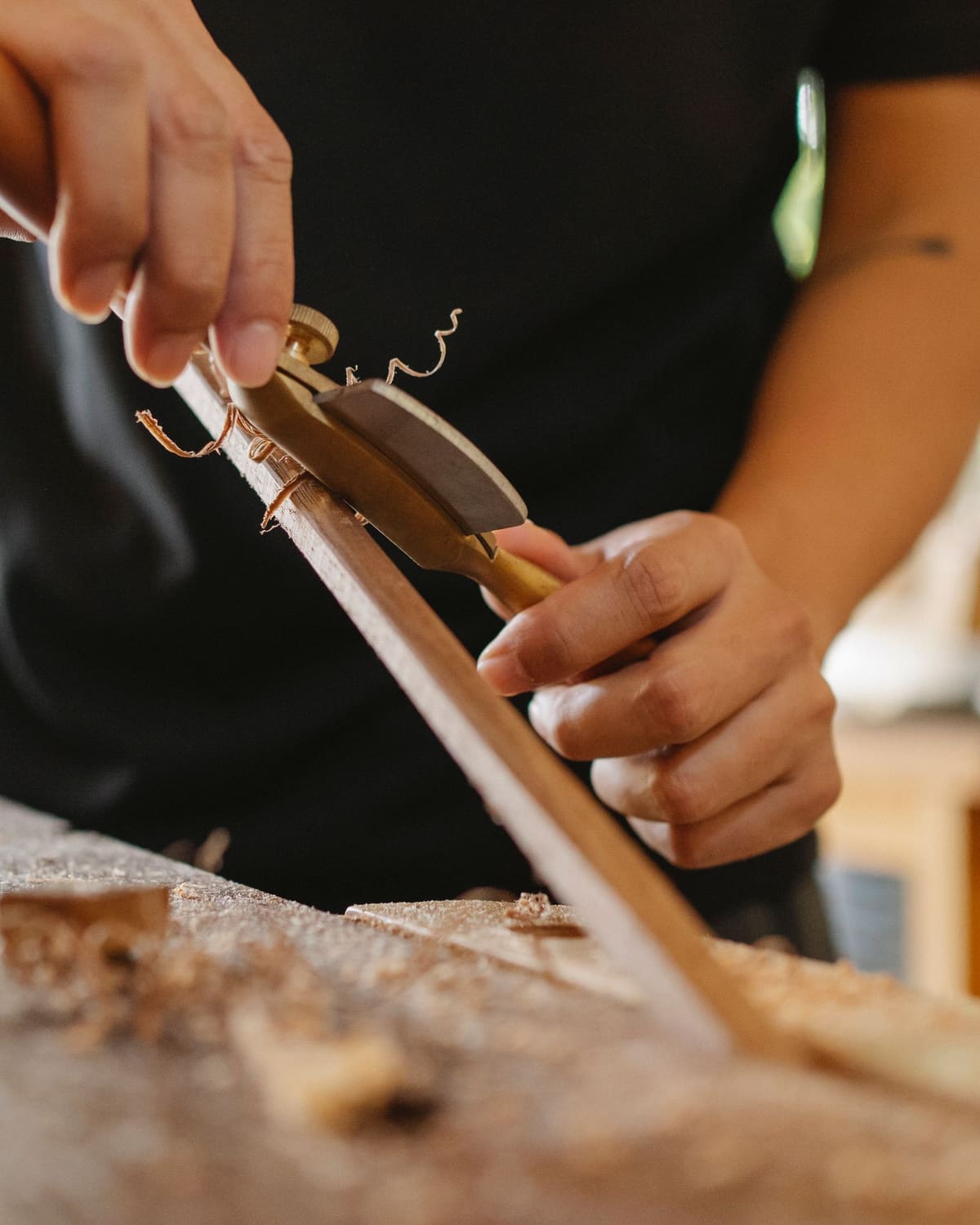
Craft centers run workshops in spokeshave and drawknife work, the core hand skills a wheelwright relies on.
Explore experiences →Give it another afternoon
Notice what you want to come back to. Ask the teacher what regular practice would look like, and what support you would need.
Keep a note for next time →See the working day
The handful of working wheelwright shops and heritage crafts programs train by apprenticeship, since the skill passes hand to hand.
Explore ways into the work →These are starting points. A workshop is not a professional qualification. Entry requirements and recognised training depend on the work and the country.
Before you walk in
A few things worth asking the host before you book.
- Is this session suitable for someone who has never tried it?
- What should I bring, wear or prepare?
- What is included, and are there any extra costs?
- Can you accommodate my access needs?
- What could I try next if I enjoy it?
Teach this craft? Share what beginners ask you →
Showing London, and 2 elsewhere are hidden
Show every city →Work it
Do the work.
Jobs, apprenticeships, and training that put a person in the room.
Ways in
- Apprenticeship
Wheelwright apprenticeship
The handful of working wheelwright shops and heritage crafts programs train by apprenticeship, since the skill passes hand to hand.
- Course
Heritage-crafts course
Rural-trade and heritage-skills schools offer wheelwrighting and traditional woodworking courses covering spokes, felloes, and tyring.
- Route in
Woodworking route in
Strong bench joinery and green-woodworking skills are the usual foundation, and some join a wheelwright to learn the rest on the job.
Ways in, gathered by hand.
Add yours to the atlasLive it
Live the hour.
Experiences, classes, and places where the presence is the whole point.
- Workshop
Green-woodworking workshop
Craft centers run workshops in spokeshave and drawknife work, the core hand skills a wheelwright relies on.
- Visit
Working-museum visit
Open-air and rural-life museums often keep a wheelwright's shop running, where you can watch a wheel come together.
Ways in, gathered by hand. Bookable listings are on the way.
Add yours to the atlasWhy the human is the point
A wheelwright builds one of the most quietly brilliant objects humans ever devised, a wheel that is strong because it is under tension, spokes and rim locked so tight they push back against the road. Nothing is glued into permanence; the parts are shaped so precisely that they hold each other, and a hot iron tyre shrinks on to draw the whole thing into one. It is joinery, geometry, and blacksmithing living in the same pair of hands, learned by feel over years. A wheel like this rolls true because a person understood exactly how wood wants to work and honored it. Few make them now, which makes each one a small monument to knowing your material completely.
Kept nearby