An entry · Work · Life
Watchmaker
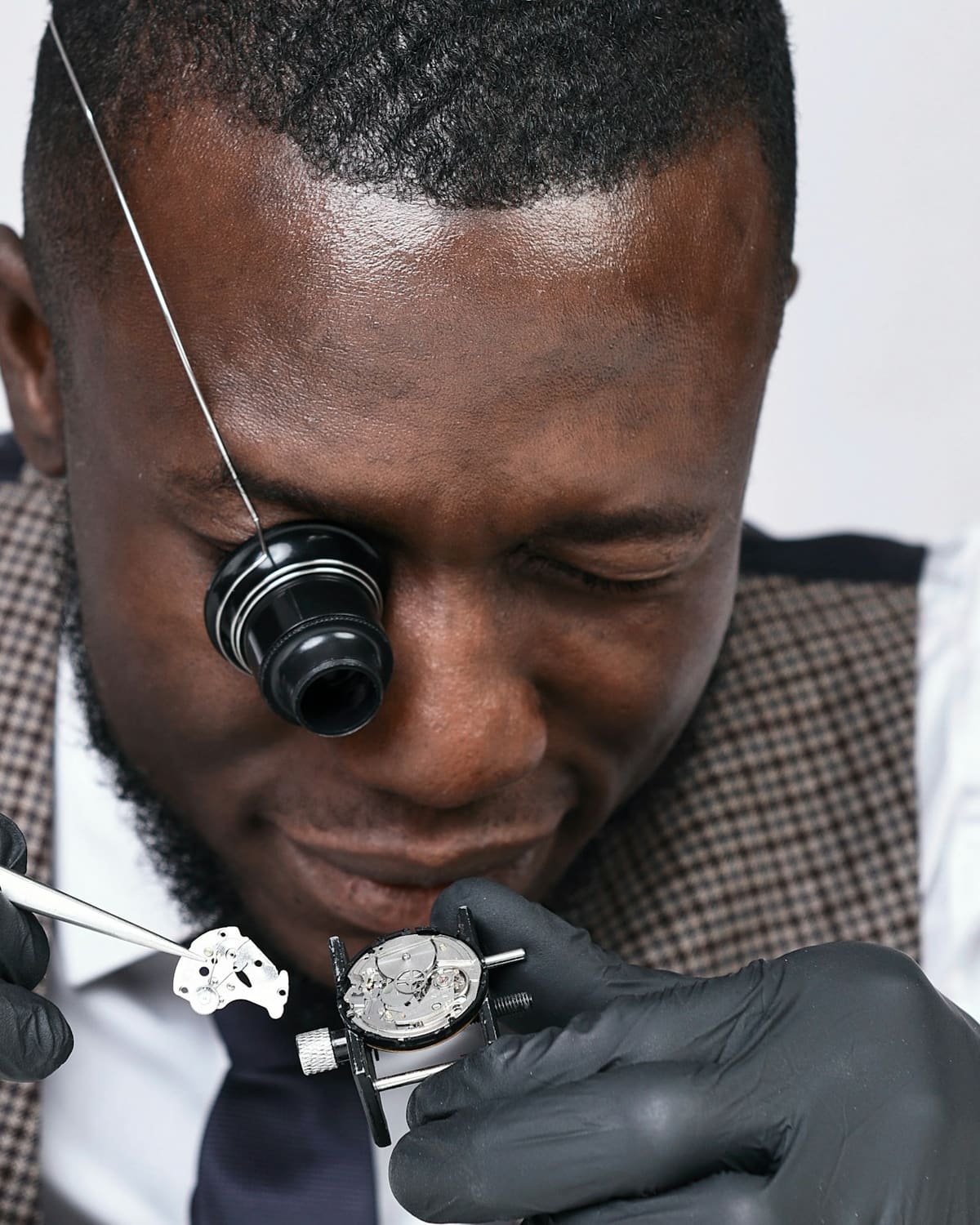
A hundred parts smaller than a grain of rice, kept in time by one pair of hands.
From curious to committed
Your first steps.
A first visit can be enough. It can also be the beginning.
Meet the craft
Weekend courses teach you to open a case and service a movement.
Explore experiences →Give it another afternoon
Notice what you want to come back to. Ask the teacher what regular practice would look like, and what support you would need.
Keep a note for next time →See the working day
A licensed horology program; the bench is most of the syllabus.
Explore ways into the work →These are starting points. A workshop is not a professional qualification. Entry requirements and recognised training depend on the work and the country.
Before you walk in
A few things worth asking the host before you book.
- Is this session suitable for someone who has never tried it?
- What should I bring, wear or prepare?
- What is included, and are there any extra costs?
- Can you accommodate my access needs?
- What could I try next if I enjoy it?
Teach this craft? Share what beginners ask you →
Showing New York, and 1 elsewhere is hidden
Show every city →Work it
Do the work.
Jobs, apprenticeships, and training that put a person in the room.
Places to begin
- Certification
AWCI
Become a certified watchmaker
United States
The American watchmakers' institute; hands-on courses and the CW21 certification.
- Membership
British Horological Institute
Individual Membership
United Kingdom
The UK body for horology since 1858 welcomes anyone as an associate member, from curious enthusiasts to working watchmakers.
Ways in
- Course
Watchmaking school
A licensed horology program; the bench is most of the syllabus.
- Apprenticeship
Repair bench apprenticeship
Clean and assemble movements under a working watchmaker.
- Association
Horological institute
The professional body for training standards and certification.
Ways in, gathered by hand.
Add yours to the atlasLive it
Live the hour.
Experiences, classes, and places where the presence is the whole point.
Ways in
- Class
Watch repair class
Weekend courses teach you to open a case and service a movement.
- Visit
Service an old watch
Take a mechanical piece to a local watchmaker and watch it come apart.
Ways in, gathered by hand.
Add yours to the atlasWhy the human is the point
A mechanical watch is hundreds of parts, some smaller than a grain of rice, fitted and adjusted by a person bent over a loupe. The watchmaker reads a stopped movement the way a doctor reads a pulse, finds the speck of dust or the worn tooth, and coaxes decades of time back into motion. A phone keeps better time, and nobody ever hands one down. What you inherit is the watch, and the patience a person spent making it run.
Kept nearby