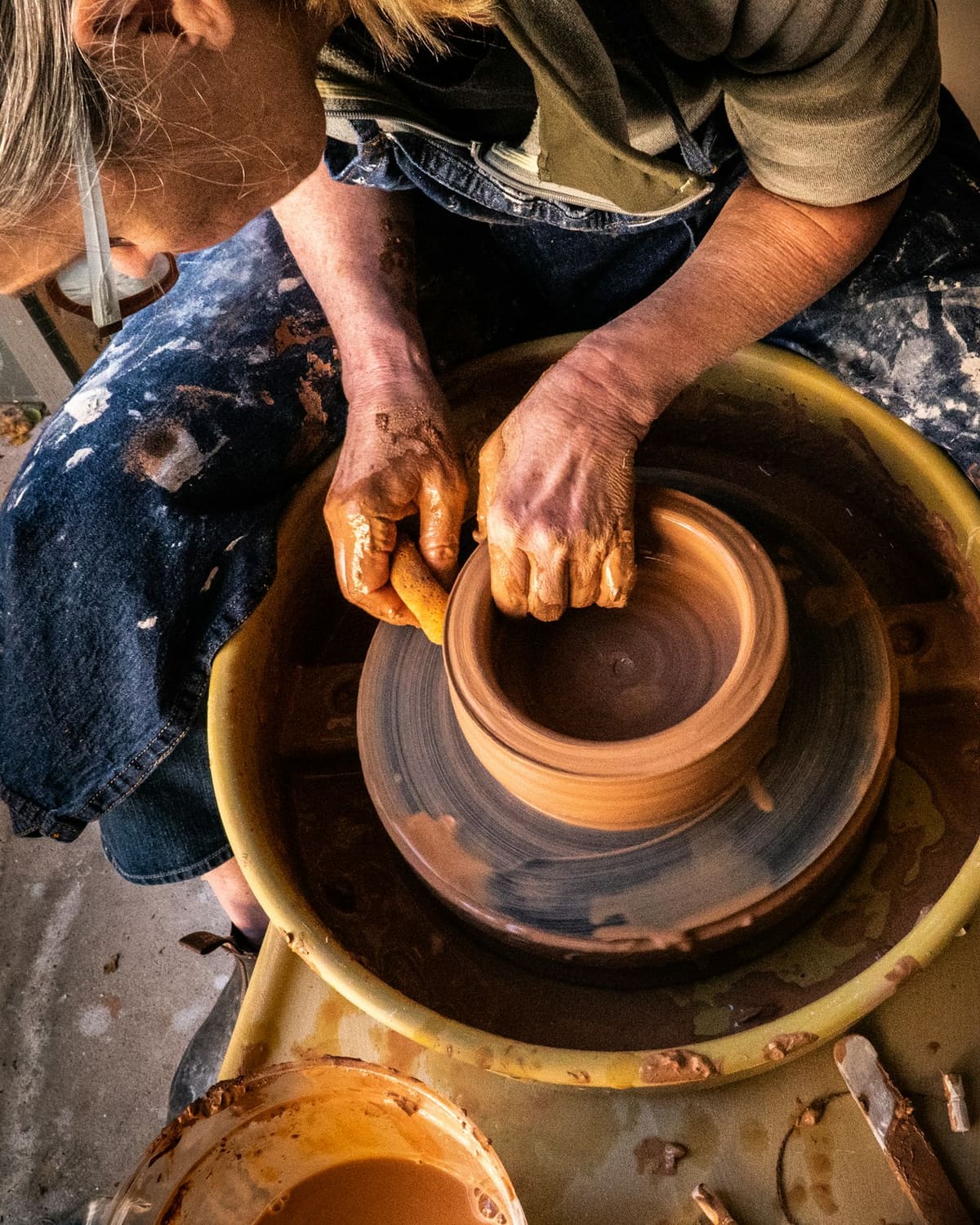
An entry · Work · Life
Soap Maker
Oils, water, and a careful measure of lye, stirred by hand into something that leaves your skin softer than it found it.
From curious to committed
Your first steps.
A first visit can be enough. It can also be the beginning.
Meet the craft
Weekend classes walk you safely through your first batch and send you home with bars to cut and cure on your own shelf.
Explore experiences →Give it another afternoon
Notice what you want to come back to. Ask the teacher what regular practice would look like, and what support you would need.
Keep a note for next time →See the working day
Experienced soapmakers teach courses that cover lye safety, oil blends, and trace, which is the grounding you need before you sell a single bar.
Explore ways into the work →These are starting points. A workshop is not a professional qualification. Entry requirements and recognised training depend on the work and the country.
Before you walk in
A few things worth asking the host before you book.
- Is this session suitable for someone who has never tried it?
- What should I bring, wear or prepare?
- What is included, and are there any extra costs?
- Can you accommodate my access needs?
- What could I try next if I enjoy it?
Teach this craft? Share what beginners ask you →
Showing Chicago, and 2 elsewhere are hidden
Show every city →Work it
Do the work.
Jobs, apprenticeships, and training that put a person in the room.
Places to begin
- Certification
Handcrafted Soap & Cosmetic Guild
HSCG Certification Program
United States
This international guild for soap and cosmetic makers offers a voluntary certification you can build from Basic all the way to Master.
- Course
School of Natural Skincare
Certificate in Cold Process Soapmaking
United Kingdom
This accredited UK online school teaches cold process soapmaking from fundamentals to advanced technique, giving makers a professional route toward selling their own soap.
Ways in
- Course
Learn cold-process soapmaking properly
Experienced soapmakers teach courses that cover lye safety, oil blends, and trace, which is the grounding you need before you sell a single bar.
- Entry job
Help out in a small soap workshop
Independent soap and skincare makers often need extra hands for batching, cutting, and curing, and that back-of-house time teaches consistency across seasons.
- Certification
Certify your recipes for sale
Selling handmade soap in most places means a cosmetic safety assessment and proper labelling, so route your formulas through an accredited assessor before market day.
Ways in, gathered by hand.
Add yours to the atlasLive it
Live the hour.
Experiences, classes, and places where the presence is the whole point.
Ways in
- Workshop
Take a soapmaking workshop
Weekend classes walk you safely through your first batch and send you home with bars to cut and cure on your own shelf.
- Community
Try melt-and-pour at home
A block of ready soap base, a little colour, and a scent are enough for a first kitchen-table session, and maker communities online will cheer on your early bars.
Ways in, gathered by hand.
Add yours to the atlasWhy the human is the point
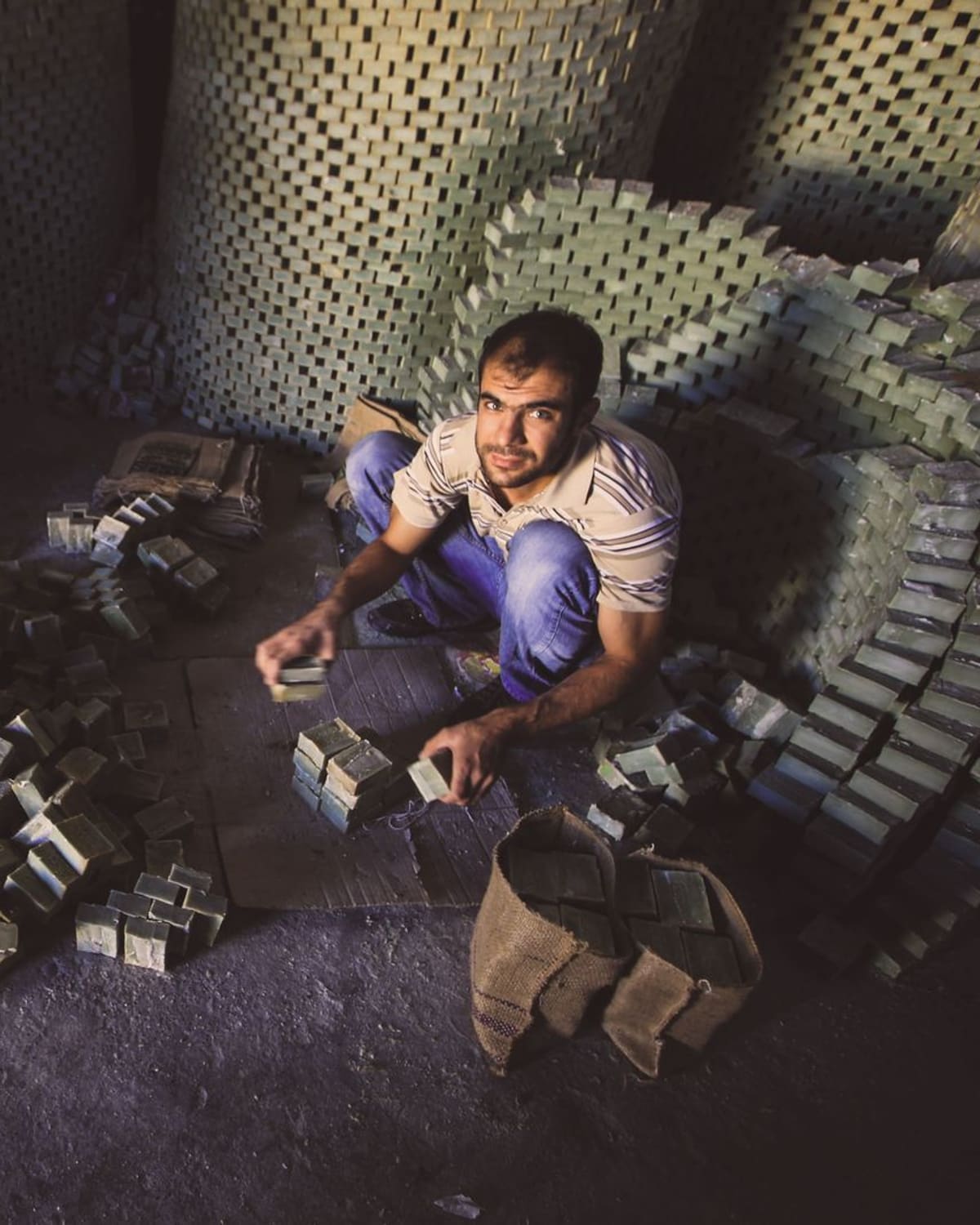
A soap maker works a small piece of chemistry with their whole attention: oils warmed to the right temperature, lye added with respect, the batter stirred until it thickens to trace and holds the line of the spoon. Get it right and the pour is silk, the bars cure for weeks on open shelves, and the whole room smells of whatever they chose to fold in. Traditional makers stack their bars in tall breathing towers and turn them by hand so the air reaches every face, a rhythm some families have kept for generations. There is real judgement in it, knowing by feel when a batch has come together and when it needs another minute. Every bar is cut from a loaf a person poured, stamped, and waited on. Washing with it is a small daily handshake with the maker.
Kept nearby