An entry · Work · Life
Sculptor
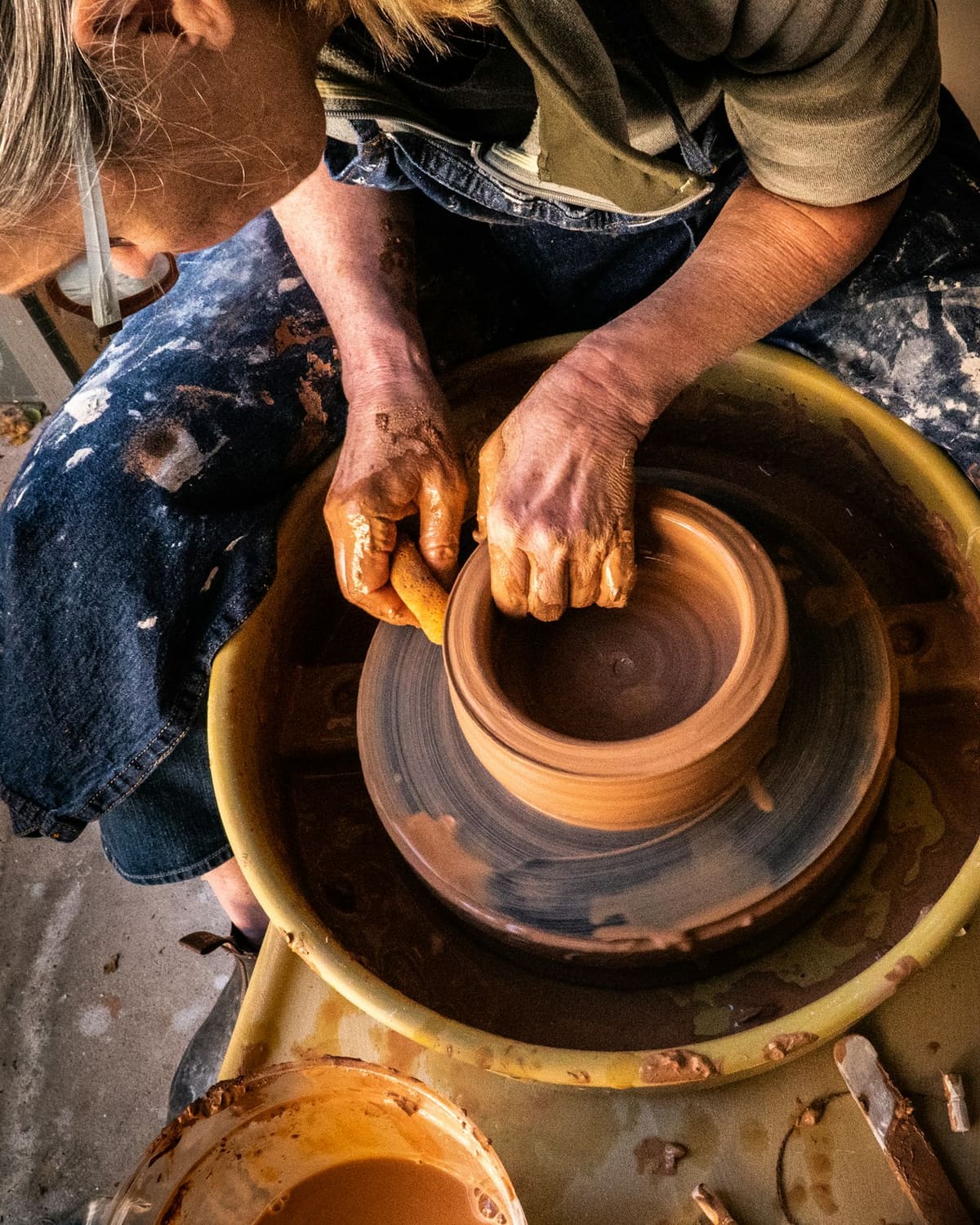
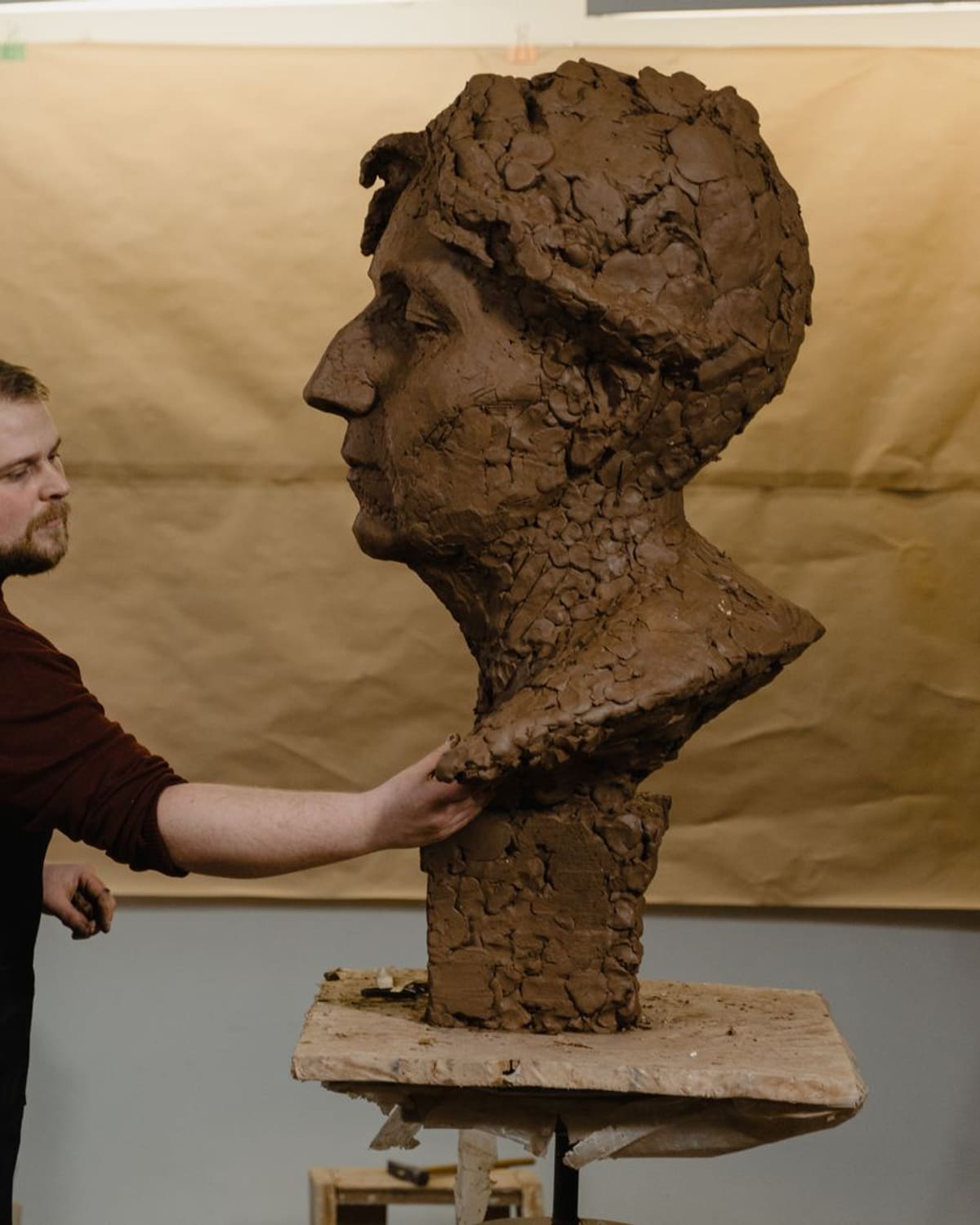
A person deciding, handful by handful, what a lump of clay is going to become.
From curious to committed
Your first steps.
A first visit can be enough. It can also be the beginning.
Meet the craft
Spend an evening with clay and your hands remember something old.
Explore experiences →Give it another afternoon
Notice what you want to come back to. Ask the teacher what regular practice would look like, and what support you would need.
Keep a note for next time →See the working day
Modeling, casting, and carving, taught over years.
Explore ways into the work →These are starting points. A workshop is not a professional qualification. Entry requirements and recognised training depend on the work and the country.
Before you walk in
A few things worth asking the host before you book.
- Is this session suitable for someone who has never tried it?
- What should I bring, wear or prepare?
- What is included, and are there any extra costs?
- Can you accommodate my access needs?
- What could I try next if I enjoy it?
Teach this craft? Share what beginners ask you →
Showing New York, and 2 elsewhere are hidden
Show every city →Work it
Do the work.
Jobs, apprenticeships, and training that put a person in the room.
Ways in
- Route in
Art school or atelier
Modeling, casting, and carving, taught over years.
- Apprenticeship
Assist a working sculptor
Studios need hands for mold-making and enlarging; you learn by proximity.
- Workshop
Community sculpture studio
Shared clay, kilns, and tools, with people who will show you.
Ways in, gathered by hand.
Add yours to the atlasLive it
Live the hour.
Experiences, classes, and places where the presence is the whole point.
- Class
Clay or life-modeling class
Spend an evening with clay and your hands remember something old.
- Open day
Open-studio day
Sculptors open the mess and the works in progress; go and ask.
Ways in, gathered by hand. Bookable listings are on the way.
Add yours to the atlasWhy the human is the point
A block of stone or a mound of clay is pure potential and pure resistance, and the sculptor argues with it until a form appears. It is thinking done with the hands: adding, cutting, standing back, seeing what is not there yet and coaxing it out. The result occupies real space and outlasts the maker, a human decision made permanent. A machine can carve to a file. It cannot look at raw material and feel what wants to emerge. A person does that, and signs it with every mark.
Kept nearby