An entry · Work it
Distiller
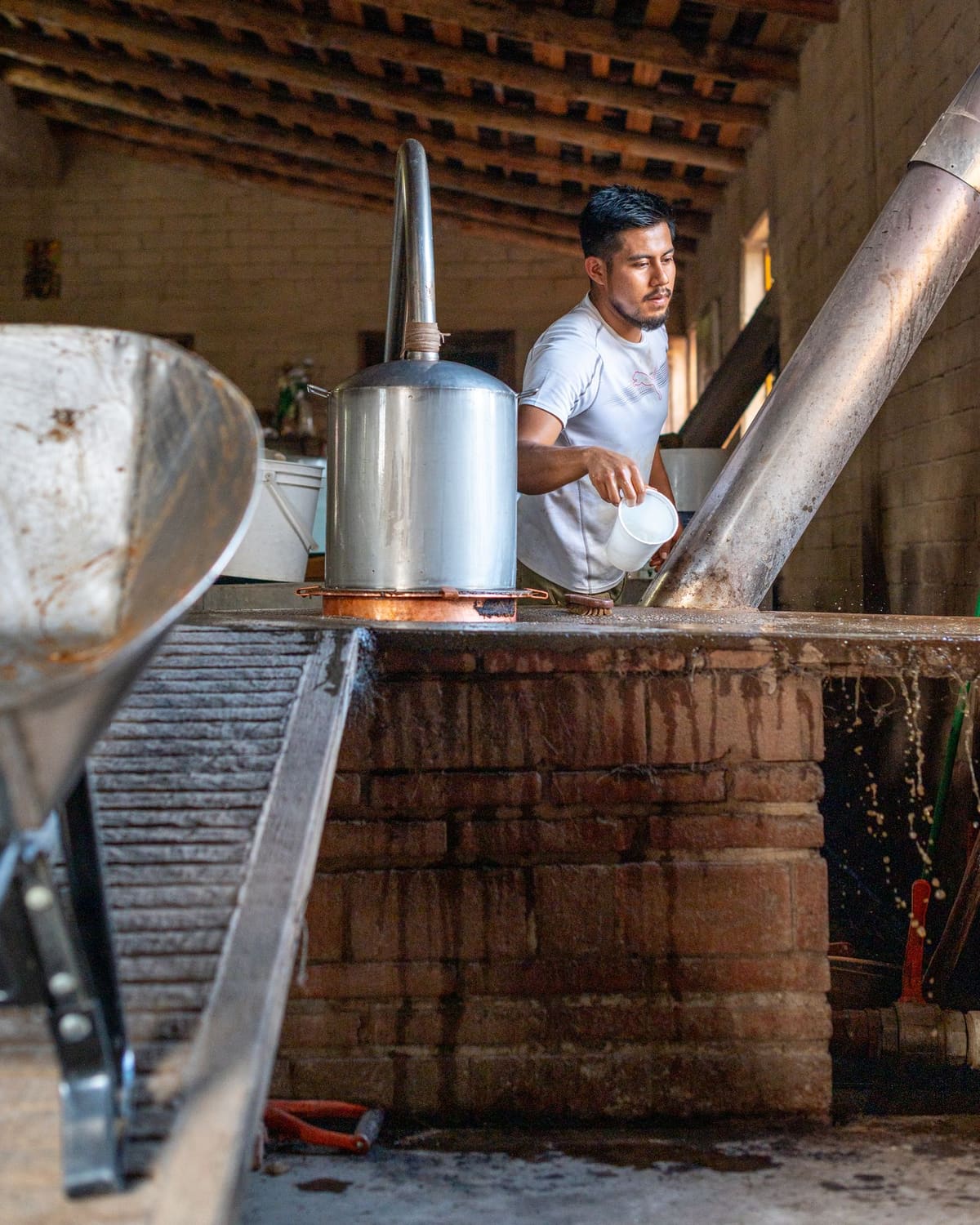
A still, a clear run of spirit, and a maker who decides by nose and taste exactly where the good part begins and ends.
From curious to committed
Your first steps.
A first visit can be enough. It can also be the beginning.
Meet the craft
Working distilleries walk you past the stills and pour a guided tasting at the end, the safest and most legal way to see the craft up close.
Explore experiences →Give it another afternoon
Notice what you want to come back to. Ask the teacher what regular practice would look like, and what support you would need.
Keep a note for next time →See the working day
Distilleries take on production and warehouse staff to mill, mash, and move casks, and that floor time is the accepted way into the still house.
Explore ways into the work →These are starting points. A workshop is not a professional qualification. Entry requirements and recognised training depend on the work and the country.
Before you walk in
A few things worth asking the host before you book.
- Is this session suitable for someone who has never tried it?
- What should I bring, wear or prepare?
- What is included, and are there any extra costs?
- Can you accommodate my access needs?
- What could I try next if I enjoy it?
Teach this craft? Share what beginners ask you →
Showing Dublin, and 3 elsewhere are hidden
Show every city →Work it
Do the work.
Jobs, apprenticeships, and training that put a person in the room.
Places to begin
- Association
American Distilling Institute
American Distilling Institute
United States
America's first craft distilling association since prohibition offers education, certification and a community of more than two thousand small distillers.
- Certification
Chartered Institute of Brewers and Distillers
CIBD Diploma in Distilling
United Kingdom
This UK chartered institute awards a globally recognised diploma covering the full spirit production process for working distillers and distillery managers.
Ways in
- Entry job
Start in the distillery
Distilleries take on production and warehouse staff to mill, mash, and move casks, and that floor time is the accepted way into the still house.
- Course
Train in distilling
Distilling institutes and short professional courses teach fermentation, still operation, and spirit cuts, which is the grounding a stillhouse role expects.
- Certification
Earn a distilling qualification
Recognised distilling diplomas and certificates are widely respected in the trade and help you move from operator toward master distiller.
Ways in, gathered by hand.
Add yours to the atlasLive it
Live the hour.
Experiences, classes, and places where the presence is the whole point.
Ways in
- Tasting
Take a distillery tour and tasting
Working distilleries walk you past the stills and pour a guided tasting at the end, the safest and most legal way to see the craft up close.
- Gathering
Join a spirits appreciation group
Whisky and spirits clubs meet to taste blind, compare cuts and casks, and learn to name what they are tasting, and newcomers are always welcome.
Ways in, gathered by hand.
Add yours to the atlasWhy the human is the point
A distiller works with fire, copper, and time to draw a clean spirit out of a humble wash. The heart of the craft is the cut, the moment they decide which part of the run is bright and true and which to set aside, a judgement made by nose and taste that no gauge can make for them. They know their still like an old friend, where it runs hot, how it breathes, what a good day smells like on the spirit safe. Then comes the patience of the barrel, years of checking and waiting while the raw edge softens into something worth pouring. Every bottle holds a hundred small decisions a person stood behind. Raise it slowly, because someone spent real time making it worth the wait.
Kept nearby