An entry · Work · Life
Candle Maker
Melted wax, a length of wick, and hands that pour a small steady light you can set on any table.
From curious to committed
Your first steps.
A first visit can be enough. It can also be the beginning.
Meet the craft
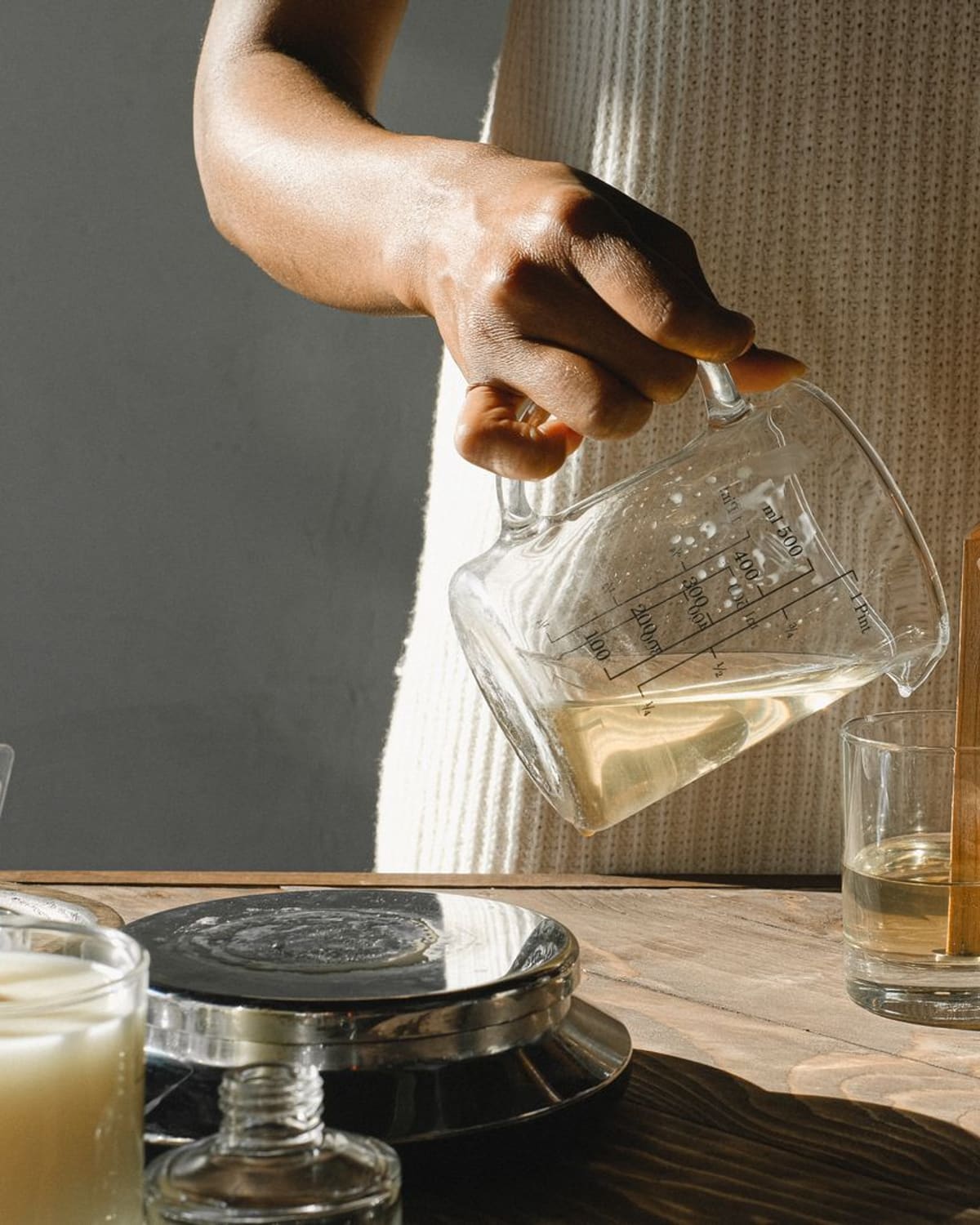
Studios run relaxed sessions where you blend a scent and pour your own vessel, then take it home once it has set.
Explore experiences →Give it another afternoon
Notice what you want to come back to. Ask the teacher what regular practice would look like, and what support you would need.
Keep a note for next time →See the working day
Candle courses cover wax types, fragrance load, and wick sizing, the three things that decide whether a candle burns clean or tunnels down the middle.
Explore ways into the work →These are starting points. A workshop is not a professional qualification. Entry requirements and recognised training depend on the work and the country.
Before you walk in
A few things worth asking the host before you book.
- Is this session suitable for someone who has never tried it?
- What should I bring, wear or prepare?
- What is included, and are there any extra costs?
- Can you accommodate my access needs?
- What could I try next if I enjoy it?
Teach this craft? Share what beginners ask you →
Showing New York, and 3 elsewhere are hidden
Show every city →Work it
Do the work.
Jobs, apprenticeships, and training that put a person in the room.
Places to begin
- Association
National Candle Association
National Candle Association
United States
Since 1974 this national association has been the trusted home for candle makers and suppliers, championing safety, science and craft.
- Association
British Candlemakers Federation (BCF)
British Candlemakers Federation
United Kingdom
This UK trade federation represents independent candle manufacturers and their suppliers, sharing technical guidance, safety standards and sales enquiries among members.
Ways in
- Course
Learn the craft from a chandler
Candle courses cover wax types, fragrance load, and wick sizing, the three things that decide whether a candle burns clean or tunnels down the middle.
- Entry job
Work in a small candle studio
Independent candle makers hire for pouring, wicking, and finishing runs, and that production time teaches you to keep quality even across hundreds of vessels.
- Certification
Certify your candles for market
Selling candles usually calls for fragrance safety documents and burn testing, so run your designs through the proper assessments before you list them.
Ways in, gathered by hand.
Add yours to the atlasLive it
Live the hour.
Experiences, classes, and places where the presence is the whole point.
Ways in
- Workshop
Take a candle-pouring workshop
Studios run relaxed sessions where you blend a scent and pour your own vessel, then take it home once it has set.
- Community
Pour your first candle at home
A bag of soy wax, a few wicks, and a double boiler are enough for a kitchen-table batch, and online maker groups will help you dial in the scent throw.
Ways in, gathered by hand.
Add yours to the atlasWhy the human is the point
A candle maker measures warmth in degrees and patience. Wax is coaxed to exactly the right temperature, scent stirred in at the moment it will hold, the wick centred and the pour made in one smooth motion so the top sets glassy and even. Too hot and it sinks, too cool and it pulls away from the glass, and a good maker knows the difference by watch and by feel. What they are really making is an evening: the pool of light on a dark afternoon, the smell that says you are home. Every candle is a small promise that someone stood over a pot and got the timing right for you. Light it and their afternoon becomes your evening.
Kept nearby