An entry · Work · Life
Cabinetmaker
Furniture built to outlive the person who made it, held together by joints cut so true they need no screw.
From curious to committed
Your first steps.
A first visit can be enough. It can also be the beginning.
Meet the craft
Ask a local practitioner how a beginner can watch, visit or try the work under guidance.
Explore experiences →Give it another afternoon
Notice what you want to come back to. Ask the teacher what regular practice would look like, and what support you would need.
Keep a note for next time →See the working day
Ask a practitioner about the training, routine tasks and costs behind the work before making a commitment.
Explore ways into the work →These are starting points. A workshop is not a professional qualification. Entry requirements and recognised training depend on the work and the country.
Before you walk in
A few things worth asking the host before you book.
- Is this session suitable for someone who has never tried it?
- What should I bring, wear or prepare?
- What is included, and are there any extra costs?
- Can you accommodate my access needs?
- What could I try next if I enjoy it?
Teach this craft? Share what beginners ask you →
Showing Paris, and 6 elsewhere are hidden
Show every city →Work it
Do the work.
Jobs, apprenticeships, and training that put a person in the room.
Places to begin
- Certification
GRETA CDMA
CAP Ébéniste at École Boulle
École Boulle, 9-21 rue Pierre Bourdan, Paris, France · One year, September to June, with eight weeks in a workshop
The French state qualification in cabinetmaking, taught in French to adults inside the Paris school of furniture and fine crafts, with a toolbox lent for the year.
- Apprenticeship
La Bonne Graine
CAP Ébénisterie by apprenticeship
200 bis boulevard Voltaire, Paris, France · Two or three years
Split between a cabinetmaker's workshop and the Paris furniture trades school on boulevard Voltaire, over two or three years, towards the state diploma.
Live it
Live the hour.
Experiences, classes, and places where the presence is the whole point.
Add yours to the atlasWhy the human is the point
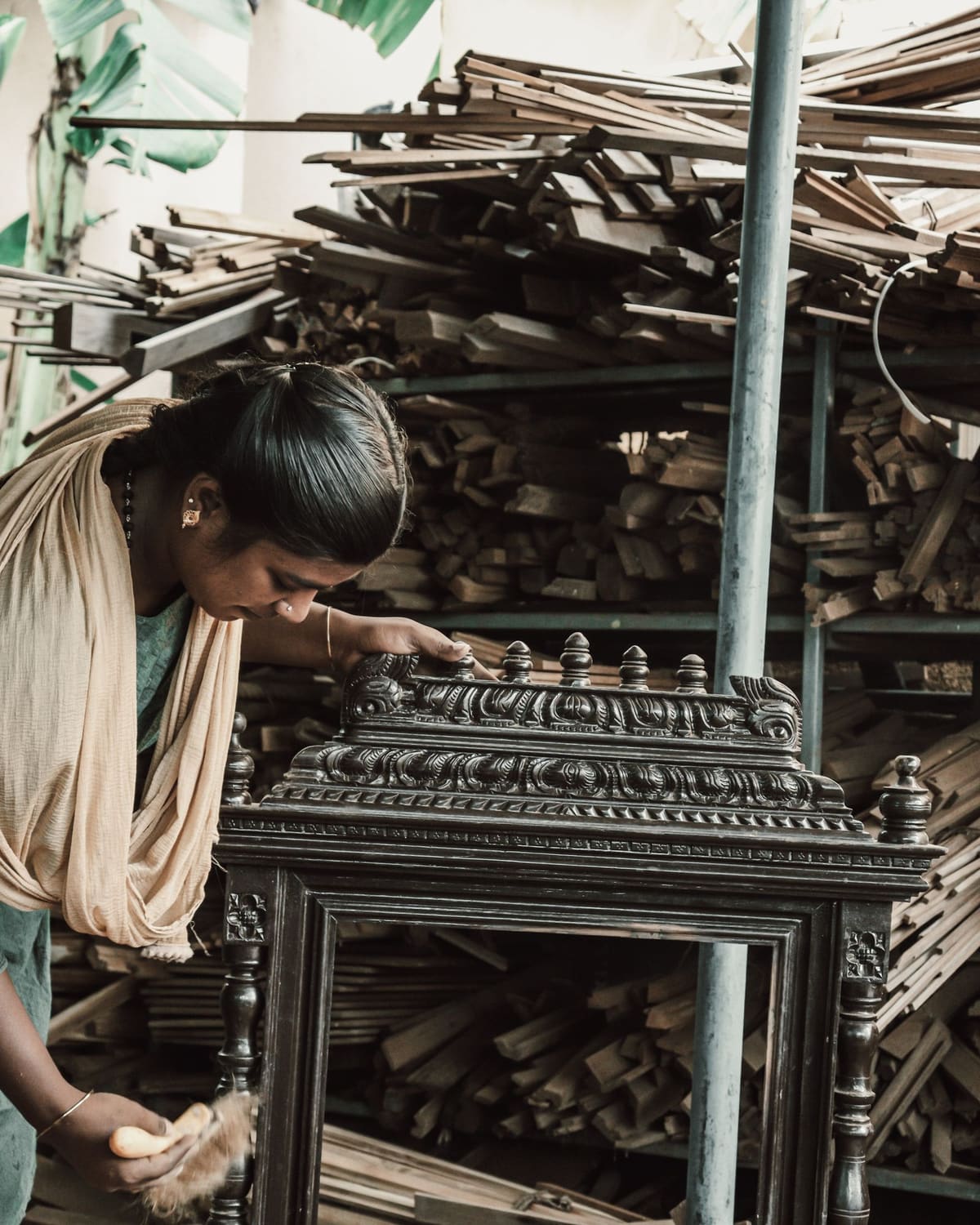
A carpenter builds the house and a cabinetmaker builds what goes inside it, to a tolerance the house never asks for. The French word is ébéniste, from ebony, the dark and costly wood the first Paris masters veneered their pieces in, and the difference is still the whole trade: hardwoods rather than softwoods, dovetails and mortise and tenon joints rather than nails, drawers that slide on nothing but their own fit, a finish rubbed up by hand until the grain seems to sit under glass. It is slow because wood moves. A cabinetmaker has to know which way a board will shrink in a dry winter and cut every joint to allow for it, or the piece splits in a year. Paris still trains them the old way, at École Boulle and in apprenticeships between a workshop and a trade school, and London teaches the same skills on weekday evenings and Saturdays to anyone who wants to make one good table.
Kept nearby