An entry · Work · Life
Basket Maker
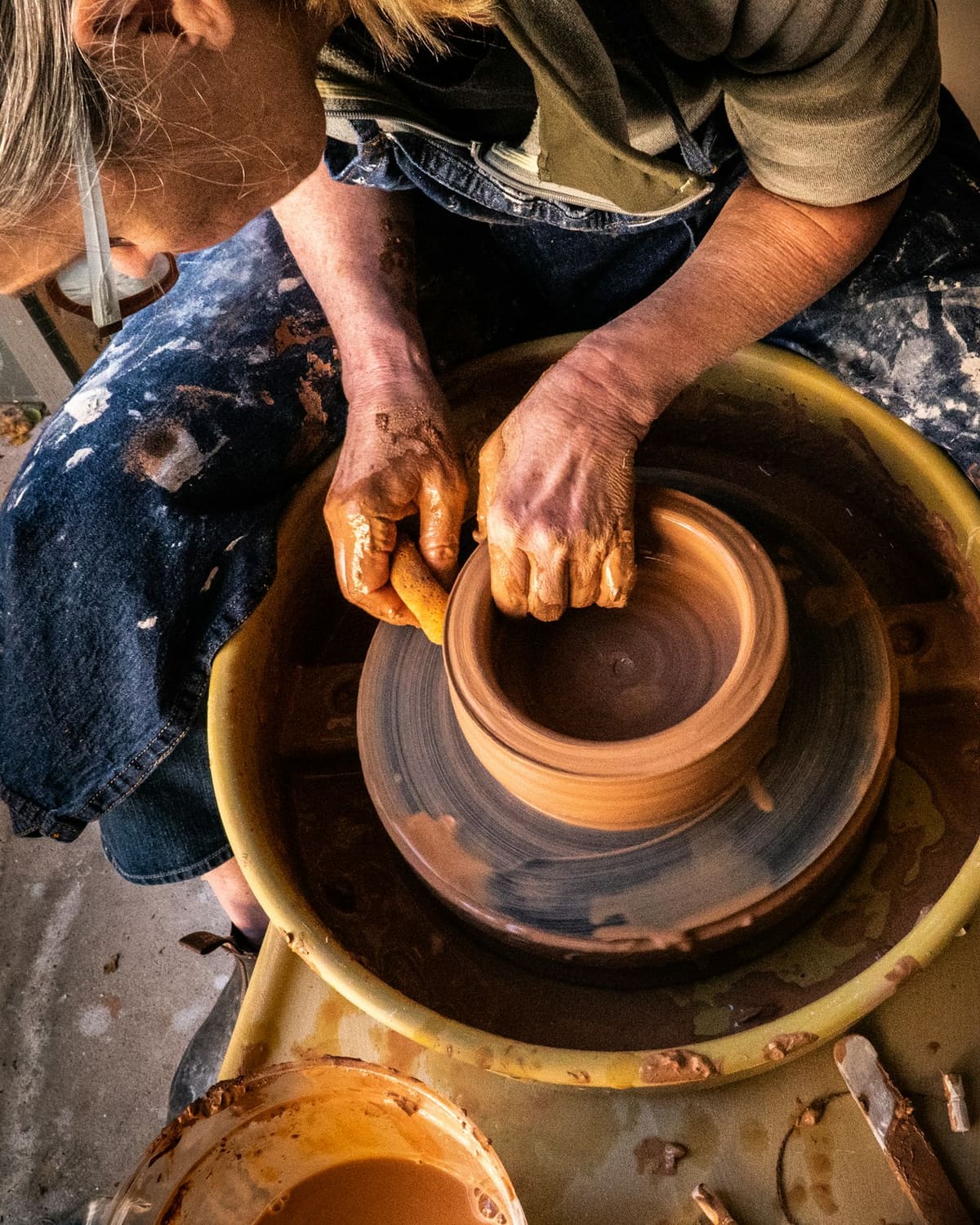
Reeds soaked soft, a pattern held in memory, and hands that weave an empty space strong enough to carry a harvest.
From curious to committed
Your first steps.
A first visit can be enough. It can also be the beginning.
Meet the craft
Craft centres and rural studios teach a small round basket in a single day, start to finished rim, so you leave with something you can actually use.
Explore experiences →Give it another afternoon
Notice what you want to come back to. Ask the teacher what regular practice would look like, and what support you would need.
Keep a note for next time →See the working day
Basketry teachers run hands-on courses in specific techniques such as stake-and-strand willow or coiled rush, where you feel the correct tension under a guiding hand.
Explore ways into the work →These are starting points. A workshop is not a professional qualification. Entry requirements and recognised training depend on the work and the country.
Before you walk in
A few things worth asking the host before you book.
- Is this session suitable for someone who has never tried it?
- What should I bring, wear or prepare?
- What is included, and are there any extra costs?
- Can you accommodate my access needs?
- What could I try next if I enjoy it?
Teach this craft? Share what beginners ask you →
Showing Portland, and 2 elsewhere are hidden
Show every city →Work it
Do the work.
Jobs, apprenticeships, and training that put a person in the room.
Places to begin
- Association
National Basketry Organization
Join the National Basketry Organization
United States
Joining this friendly national organization connects you with nearly seven hundred basket makers, online workshops and a members' magazine across America and beyond.
- Association
The Basketmakers' Association
The Basketmakers' Association
United Kingdom
Founded in 1975, this volunteer-run UK association promotes basketry through courses, spring and autumn schools, bursaries and a makers directory for people building the craft into work.
Ways in
- Course
Learn from a working basketmaker
Basketry teachers run hands-on courses in specific techniques such as stake-and-strand willow or coiled rush, where you feel the correct tension under a guiding hand.
- Apprenticeship
Apprentice with a traditional weaver
Heritage crafts and country trades sometimes place learners with established makers over a season, which is how the harder forms like frame baskets and eel traps pass on.
- Guild
Join a basketmakers' association
National basketry and heritage-craft groups run skills days, gradings, and maker directories that help you build from hobby into commissioned work.
Ways in, gathered by hand.
Add yours to the atlasLive it
Live the hour.
Experiences, classes, and places where the presence is the whole point.
Places to begin
- Course
Rewild Portland
Basketry 101
Portland, Oregon · Four-week Sunday course
Weave your first baskets over four Sundays, working through twined, coiled, and ribbed styles using foraged plants and invasive ivy.
- Workshop
Columbia Basin Basketry Guild
Basketry workshops on the guild calendar
Portland, Oregon · Dated through the year
Dated hands-on days from twined baskets to Shaker brooms, with the guild's cheapest beginner classes reserved for members.
Ways in
- Workshop
Take a one-day basket workshop
Craft centres and rural studios teach a small round basket in a single day, start to finished rim, so you leave with something you can actually use.
- Visit
Visit a willow grower or craft fair
Basketry demonstrations at country shows and willow farms let you watch the whole process up close and handle the materials before you commit to a class.
Ways in, gathered by hand.
Add yours to the atlasWhy the human is the point
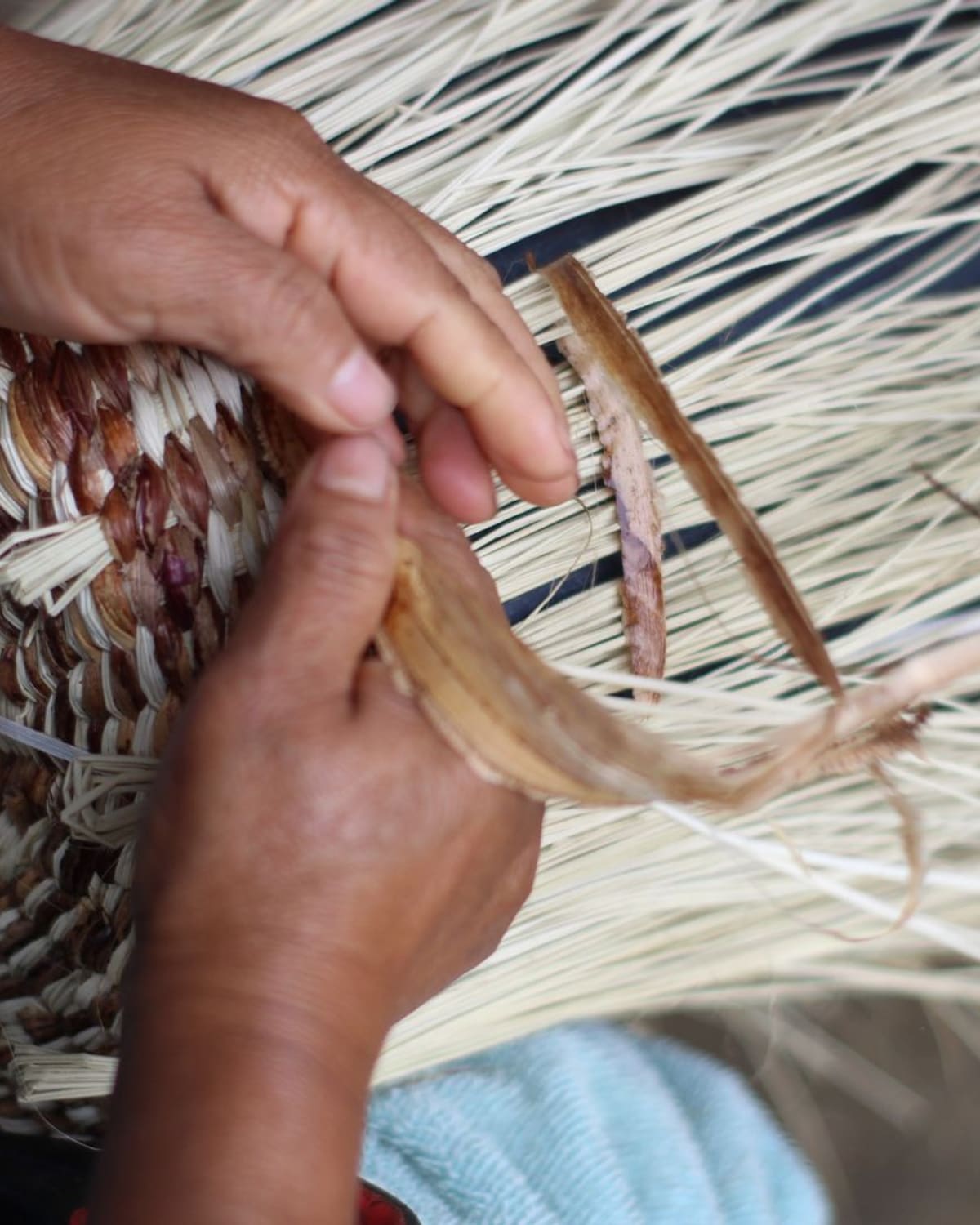
A basket maker starts with something stiff and unpromising, a bundle of dry willow or reed, and soaks it back to life until it will bend without breaking. Then the real work begins, over and under, tightening each row against the last, feeling the tension build until the shape stands up on its own. There is no glue and often no measuring, just the maker's hands judging when a stake needs adding and when to draw the weave in toward the rim. Every basket carries the print of a specific person's grip, the small variations that make it theirs and not a mould's. It is a whole useful object conjured from a hedge and a pair of patient hands. People have carried their lives in these for ten thousand years, and someone is still making yours by hand today.
Kept nearby