An entry · Work · Life
Zookeeper
The person an elephant trusts, standing in for a whole wild world we took it from.
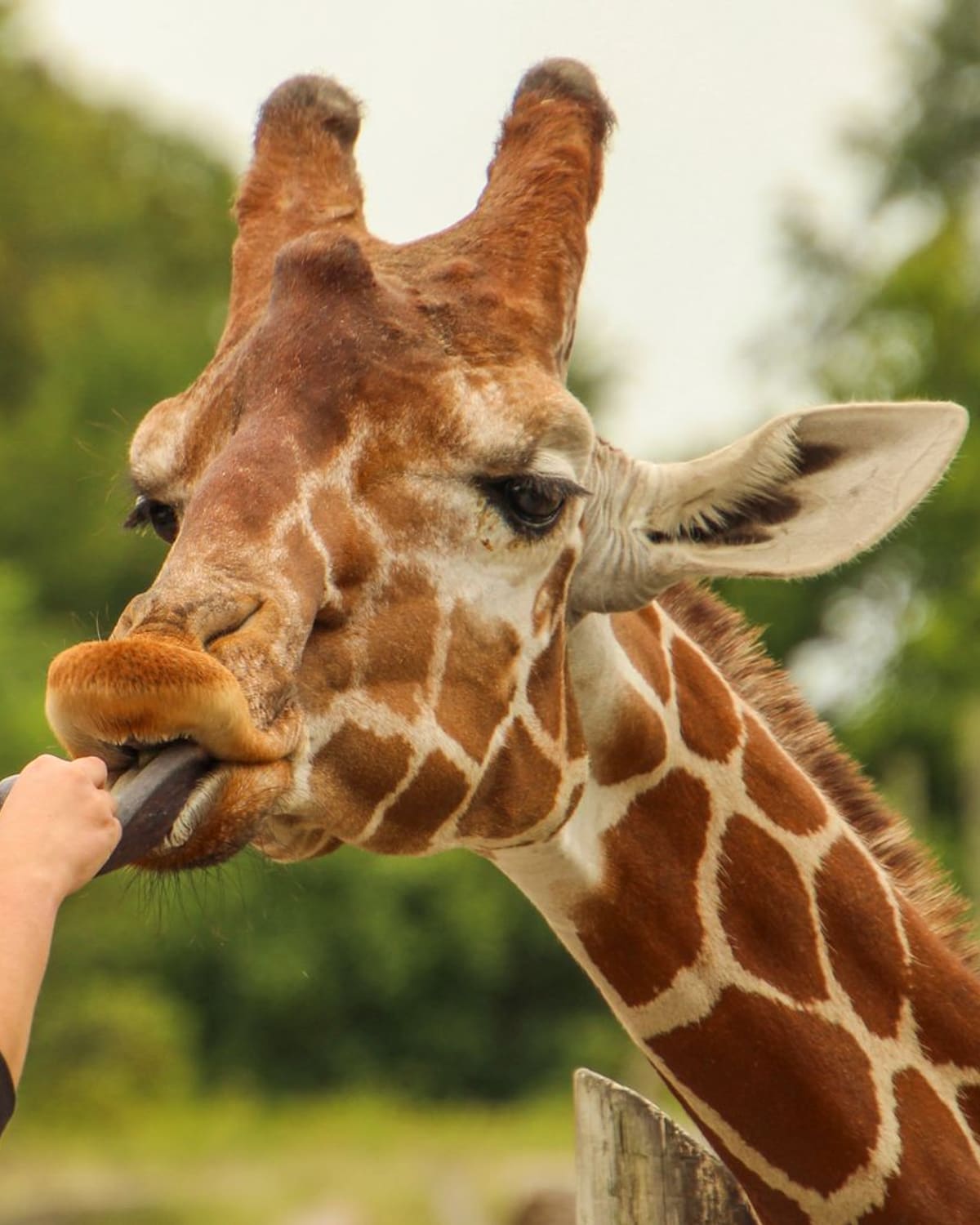
From curious to committed
Your first steps.
A first visit can be enough. It can also be the beginning.
Meet the craft
Many zoos let you shadow a keeper and help with the round.
Explore experiences →Give it another afternoon
Notice what you want to come back to. Ask the teacher what regular practice would look like, and what support you would need.
Keep a note for next time →See the working day
The academic foundation for keeping and conservation work.
Explore ways into the work →These are starting points. A workshop is not a professional qualification. Entry requirements and recognised training depend on the work and the country.
Before you walk in
A few things worth asking the host before you book.
- Is this session suitable for someone who has never tried it?
- What should I bring, wear or prepare?
- What is included, and are there any extra costs?
- Can you accommodate my access needs?
- What could I try next if I enjoy it?
Teach this craft? Share what beginners ask you →
Showing San Diego, and 1 elsewhere is hidden
Show every city →Work it
Do the work.
Jobs, apprenticeships, and training that put a person in the room.
Ways in
- Route in
Zoology or animal science
The academic foundation for keeping and conservation work.
- Volunteer
Volunteer or intern at a zoo
Hands-on animal care is where nearly every keeper starts.
- Entry job
Keeper traineeship
Zoos run structured entry roles into the profession.
Ways in, gathered by hand.
Add yours to the atlasLive it
Live the hour.
Experiences, classes, and places where the presence is the whole point.
Ways in
- Visit
Keeper-for-a-day
Many zoos let you shadow a keeper and help with the round.
- Gathering
Animal encounter or talk
Keeper talks reveal the animals and the work behind them.
Ways in, gathered by hand.
Add yours to the atlasWhy the human is the point
A zookeeper is a full-time advocate for animals that cannot ask for anything. They learn each creature's moods and needs, notice the one that is off its food before a vet would, and stand in for the wild we removed it from, hour after unglamorous hour of feeding, cleaning, and enrichment. It is care and judgment on behalf of the voiceless, and increasingly, conservation of what is nearly gone. No automated feeder loves an animal back. A keeper does, and the animal knows them.
Kept nearby