An entry · Work · Life
Wildlife Biologist
Someone who speaks for the animals that cannot speak for themselves, with data and with care.
From curious to committed
Your first steps.
A first visit can be enough. It can also be the beginning.
Meet the craft
Count birds, frogs, or tide pools; researchers use your data.
Explore experiences →Give it another afternoon
Notice what you want to come back to. Ask the teacher what regular practice would look like, and what support you would need.
Keep a note for next time →See the working day
The field's foundation, with field methods and statistics.
Explore ways into the work →These are starting points. A workshop is not a professional qualification. Entry requirements and recognised training depend on the work and the country.
Before you walk in
A few things worth asking the host before you book.
- Is this session suitable for someone who has never tried it?
- What should I bring, wear or prepare?
- What is included, and are there any extra costs?
- Can you accommodate my access needs?
- What could I try next if I enjoy it?
Teach this craft? Share what beginners ask you →
Work it
Do the work.
Jobs, apprenticeships, and training that put a person in the room.
Ways in
- Route in
Biology or ecology degree
The field's foundation, with field methods and statistics.
- Entry job
Field technician seasons
Seasonal survey and tagging jobs are how careers start.
- Route in
Conservation internship
Agencies and NGOs place students in real fieldwork.
Ways in, gathered by hand.
Add yours to the atlasLive it
Live the hour.
Experiences, classes, and places where the presence is the whole point.
Places to begin
- Course
AMNH Southwestern Research Station
Field techniques courses in the Chiricahuas
Portal, AZ
A desert field station; multi-day workshops in bat monitoring and survey methods for naturalists and biologists.
- Class
Cascadia Wild
Wildlife tracking classes
Portland, OR
Learn to read tracks and trail patterns in the field with a Portland conservation nonprofit.
Ways in
- Volunteer
Citizen science survey
Count birds, frogs, or tide pools; researchers use your data.
- Gathering
Guided wildlife walk
A naturalist reads the habitat aloud; watch how they see it.
Ways in, gathered by hand.
Add yours to the atlasWhy the human is the point
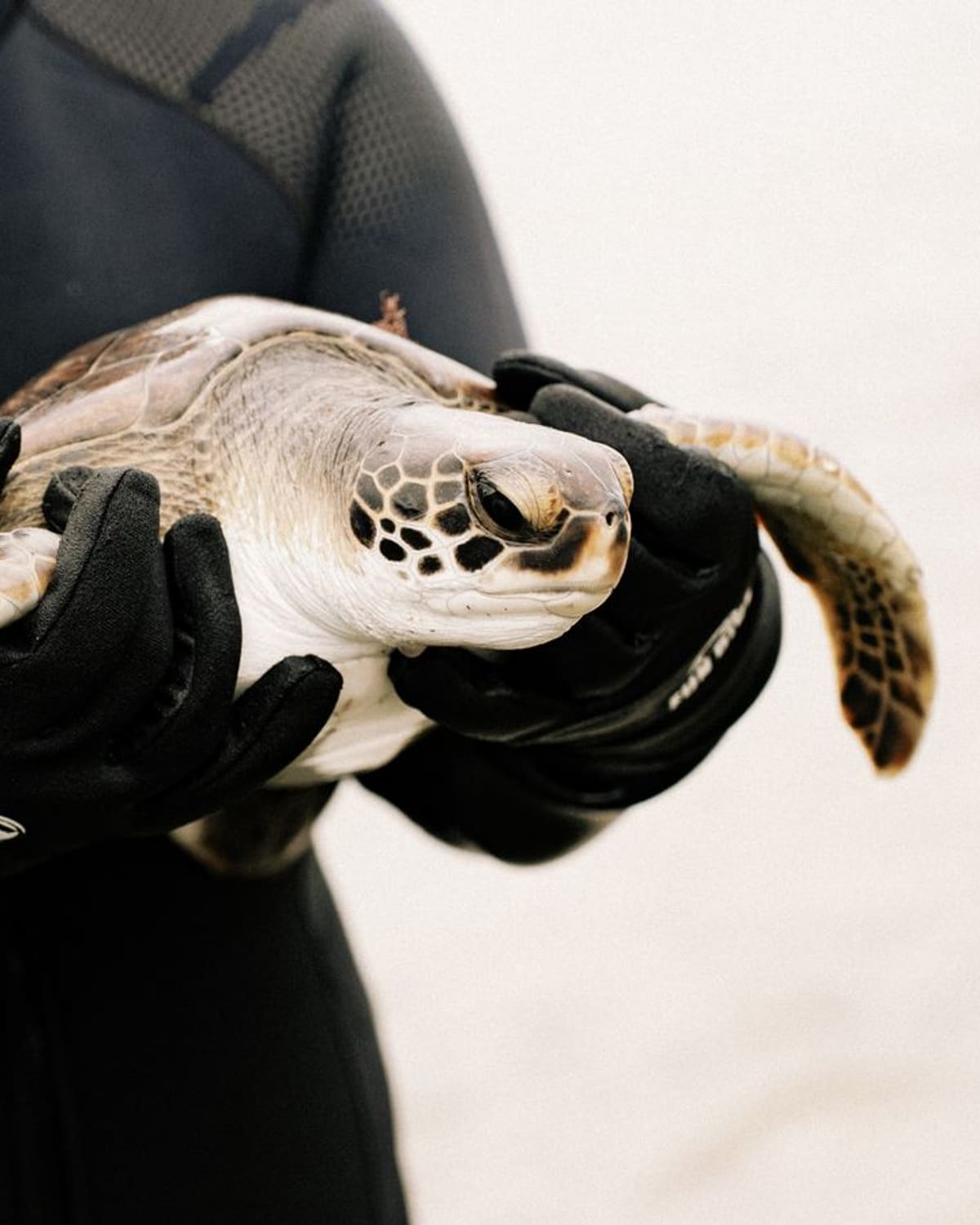
A species does not know it is disappearing. The wildlife biologist is who notices, counts, and speaks for it: tagging a turtle, tracking a wolf, reading a decline in the numbers before it becomes a silence. It is patient fieldwork in service of creatures that will never thank them, and judgment about a living world we share but do not own. No model decides on its own what is worth saving. A person does, out in the weather, with cold hands and careful attention.
Kept nearby