An entry · Work · Life
Maltster
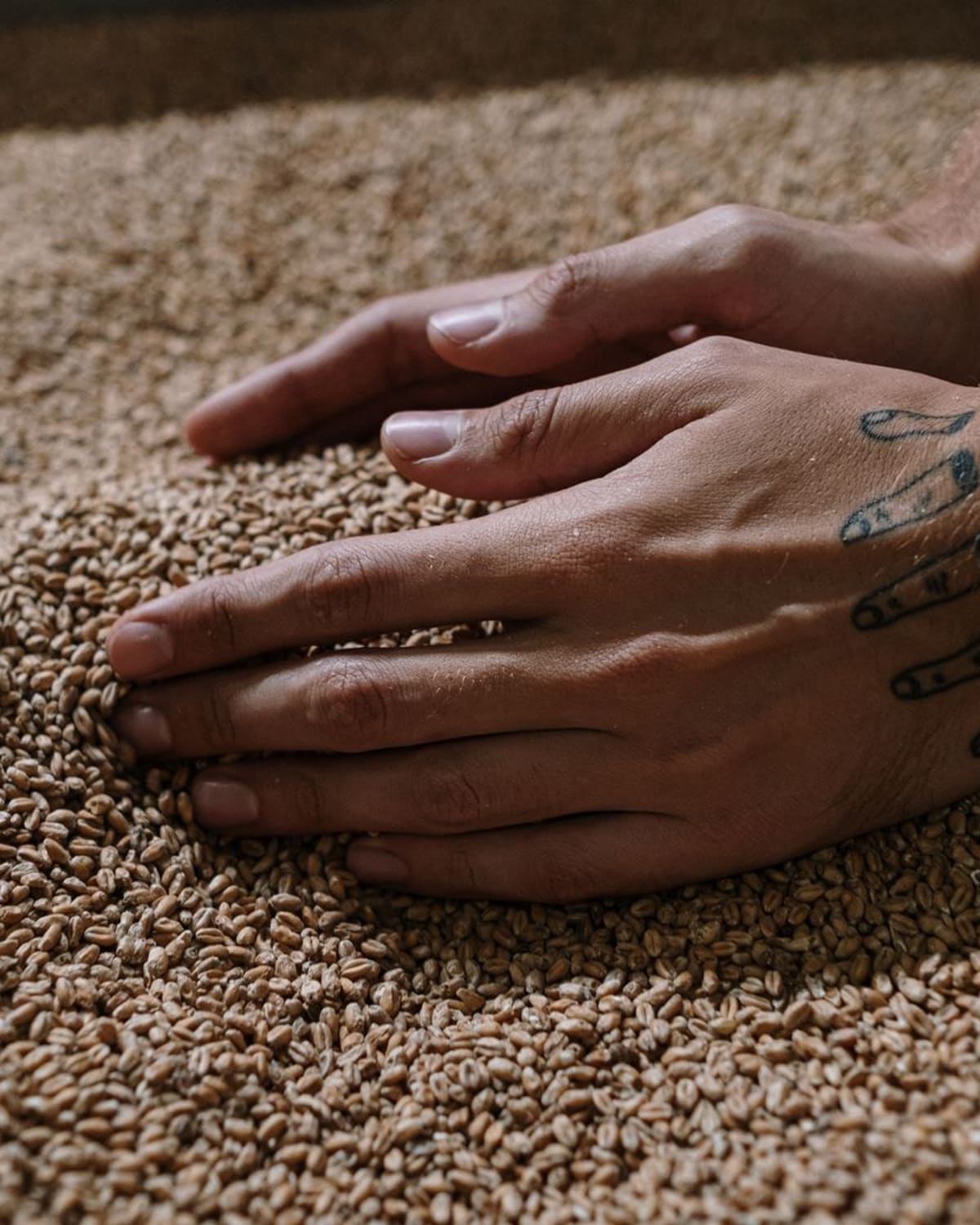
Barley wakes up, and a maltster decides by touch and by smell exactly when to stop it.
From curious to committed
Your first steps.
A first visit can be enough. It can also be the beginning.
Meet the craft
Ask a local practitioner how a beginner can watch, visit or try the work under guidance.
Explore experiences →Give it another afternoon
Notice what you want to come back to. Ask the teacher what regular practice would look like, and what support you would need.
Keep a note for next time →See the working day
Ask a practitioner about the training, routine tasks and costs behind the work before making a commitment.
Explore ways into the work →These are starting points. A workshop is not a professional qualification. Entry requirements and recognised training depend on the work and the country.
Before you walk in
A few things worth asking the host before you book.
- Is this session suitable for someone who has never tried it?
- What should I bring, wear or prepare?
- What is included, and are there any extra costs?
- Can you accommodate my access needs?
- What could I try next if I enjoy it?
Teach this craft? Share what beginners ask you →
Work it
Do the work.
Jobs, apprenticeships, and training that put a person in the room.
Add yours to the atlasLive it
Live the hour.
Experiences, classes, and places where the presence is the whole point.
Add yours to the atlasWhy the human is the point
Before any brewer or distiller touches it, barley has to be persuaded to germinate and then stopped at precisely the right moment. That is malting. On a traditional floor maltings the grain is steeped, spread across a stone floor and turned by hand with a wooden shovel, day and night, so it never overheats or knits itself together. The maltster reads the bed by feel: its warmth underfoot, the smell rising off it, the length of the shoot inside a chewed grain. Then the kiln, and everything is fixed for good. Most malt now comes out of large drum plants, and skilled maltsters run those too, but the floor maltings survive because some brewers can taste the difference. It is the least visible link in the whole chain and quietly the one that decides most of the flavour in your glass.
Kept nearby