An entry · Work · Life
Art Conservator
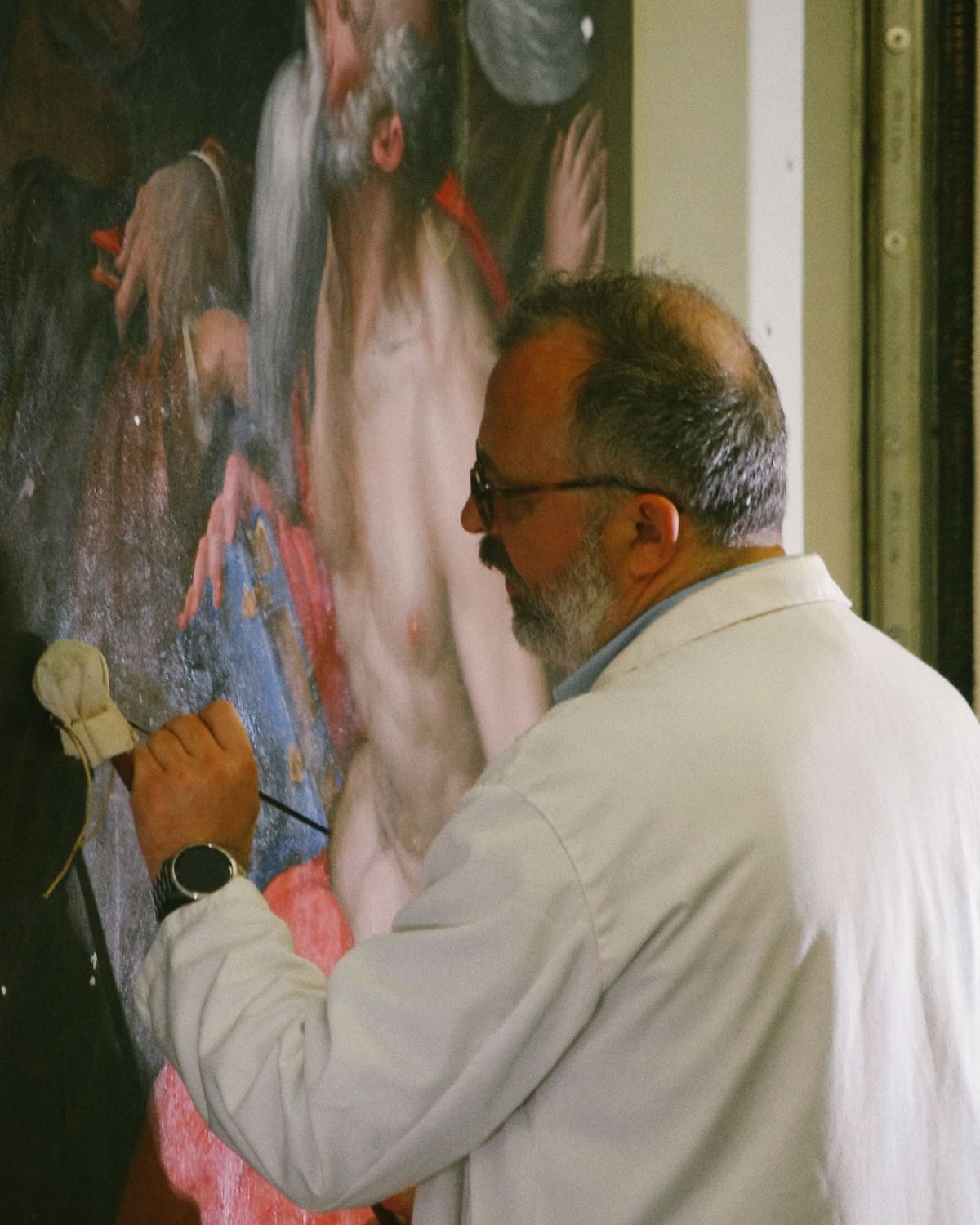
The person who keeps a five-hundred-year-old painting alive for the next five hundred.
From curious to committed
Your first steps.
A first visit can be enough. It can also be the beginning.
Meet the craft
Many museums open the studio and explain what they are saving.
Explore experiences →Give it another afternoon
Notice what you want to come back to. Ask the teacher what regular practice would look like, and what support you would need.
Keep a note for next time →See the working day
The specialist degree in paintings, paper, or objects conservation.
Explore ways into the work →These are starting points. A workshop is not a professional qualification. Entry requirements and recognised training depend on the work and the country.
Before you walk in
A few things worth asking the host before you book.
- Is this session suitable for someone who has never tried it?
- What should I bring, wear or prepare?
- What is included, and are there any extra costs?
- Can you accommodate my access needs?
- What could I try next if I enjoy it?
Teach this craft? Share what beginners ask you →
Work it
Do the work.
Jobs, apprenticeships, and training that put a person in the room.
Ways in
- Route in
Conservation master's
The specialist degree in paintings, paper, or objects conservation.
- Entry job
Studio or museum internship
Supervised bench time is the heart of the training.
- Association
Professional conservation body
The institutes that accredit conservators and set the ethics.
Ways in, gathered by hand.
Add yours to the atlasLive it
Live the hour.
Experiences, classes, and places where the presence is the whole point.
Ways in
- Gathering
Museum conservation talk
Many museums open the studio and explain what they are saving.
- Visit
Watch a public conservation project
Some restorations happen in view; you can watch the work.
Ways in, gathered by hand.
Add yours to the atlasWhy the human is the point
A painting is a fragile thing pretending to be permanent. The conservator is why it lasts: cleaning centuries of grime, stabilizing flaking paint, retouching only what is lost and only in ways that can be undone, deciding with a scholar's care where to stop. It is stewardship of memory, one square inch at a time, so that a face someone painted long ago can still meet your eyes. No algorithm gets to decide what we keep. A person does, by hand, on our behalf.
Kept nearby