An entry · Work · Life
Physical Therapist
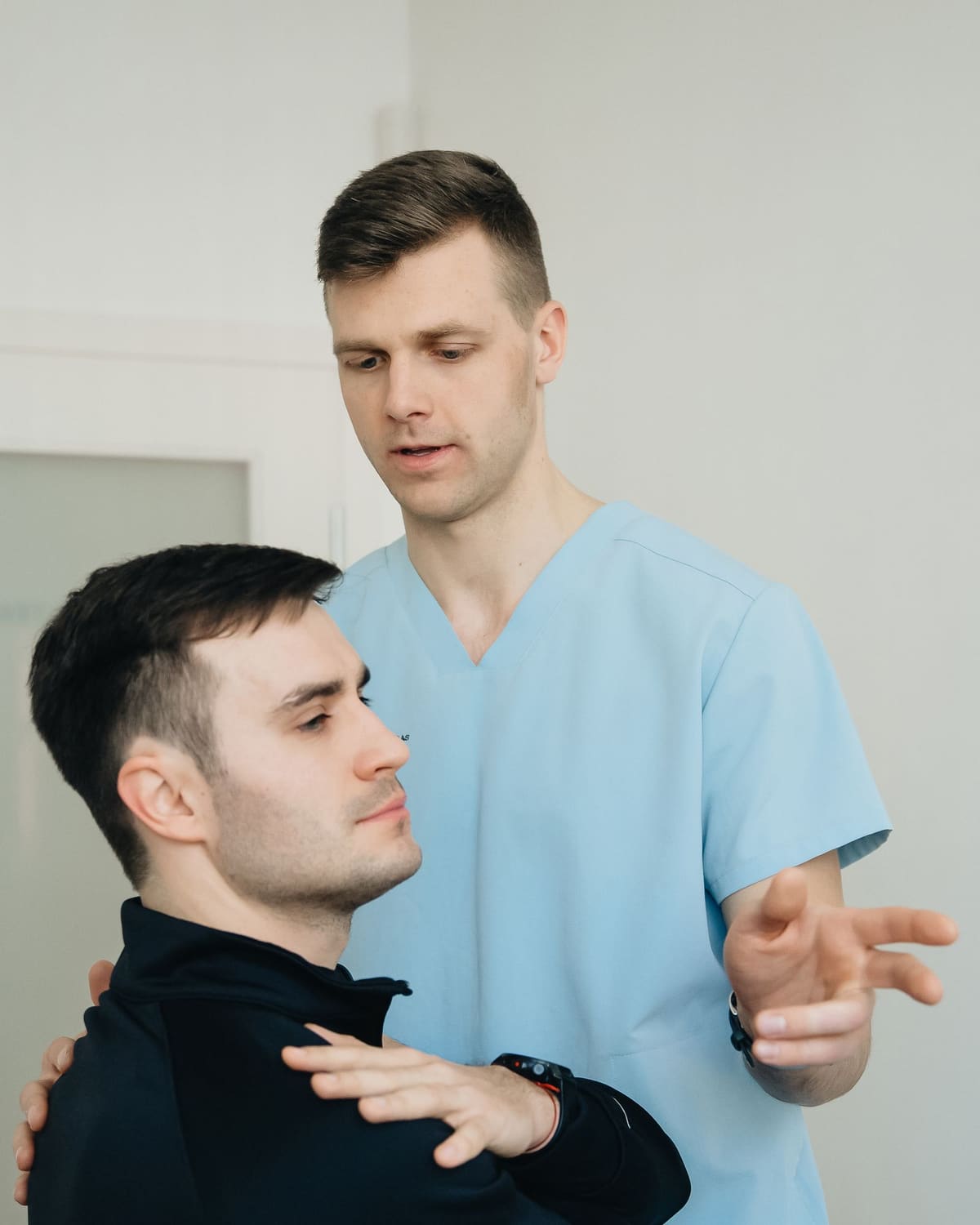
The person who teaches a broken body how to trust itself again.
From curious to committed
Your first steps.
A first visit can be enough. It can also be the beginning.
Meet the craft
Clinics run classes on moving well and saving your back.
Explore experiences →Give it another afternoon
Notice what you want to come back to. Ask the teacher what regular practice would look like, and what support you would need.
Keep a note for next time →See the working day
The clinical doctorate or degree, with supervised placements.
Explore ways into the work →These are starting points. A workshop is not a professional qualification. Entry requirements and recognised training depend on the work and the country.
Before you walk in
A few things worth asking the host before you book.
- Is this session suitable for someone who has never tried it?
- What should I bring, wear or prepare?
- What is included, and are there any extra costs?
- Can you accommodate my access needs?
- What could I try next if I enjoy it?
Teach this craft? Share what beginners ask you →
Showing New York, and 1 elsewhere is hidden
Show every city →Work it
Do the work.
Jobs, apprenticeships, and training that put a person in the room.
Ways in
- Route in
Physical therapy degree
The clinical doctorate or degree, with supervised placements.
- Entry job
Rehab assistant or aide
Work in a clinic now while you study the full qualification.
- Certification
Licensing exam
The board exam that lets you treat on your own.
Ways in, gathered by hand.
Add yours to the atlasLive it
Live the hour.
Experiences, classes, and places where the presence is the whole point.
Ways in
- Class
Injury prevention workshop
Clinics run classes on moving well and saving your back.
- Visit
Learn from your own session
If you are in rehab, ask why each exercise; the reasoning is the craft.
Ways in, gathered by hand.
Add yours to the atlasWhy the human is the point
Recovery is not a pill; it is a hundred small, boring, painful repetitions, coached by someone who can see what you cannot feel. The physical therapist reads your wince, adjusts the angle by a degree, and knows when to push and when to wait. After an injury or a stroke, they are the patient hands and steady voice that walk a body back to itself. A program can be printed. The judgment about your body, today, in this rep, belongs to a person.
Kept nearby