An entry · Work · Life
Paramedic
The worst day of your life, and a stranger arrives who has trained for exactly this.
From curious to committed
Your first steps.
A first visit can be enough. It can also be the beginning.
Meet the craft
The skills that make you useful in the minutes before the ambulance.
Explore experiences →Give it another afternoon
Notice what you want to come back to. Ask the teacher what regular practice would look like, and what support you would need.
Keep a note for next time →See the working day
The first credential, a few months, that puts you on the truck.
Explore ways into the work →These are starting points. A workshop is not a professional qualification. Entry requirements and recognised training depend on the work and the country.
Before you walk in
A few things worth asking the host before you book.
- Is this session suitable for someone who has never tried it?
- What should I bring, wear or prepare?
- What is included, and are there any extra costs?
- Can you accommodate my access needs?
- What could I try next if I enjoy it?
Teach this craft? Share what beginners ask you →
Work it
Do the work.
Jobs, apprenticeships, and training that put a person in the room.
Ways in
- Certification
EMT certification
The first credential, a few months, that puts you on the truck.
- Course
Paramedic program
The advanced qualification: airways, drugs, and hard calls.
- Volunteer
Volunteer ambulance squad
Many services let you start by volunteering and learning.
Ways in, gathered by hand.
Add yours to the atlasLive it
Live the hour.
Experiences, classes, and places where the presence is the whole point.
Places to begin
- Class
American Red Cross
Take a CPR, first aid, and AED class
United States
Hands-on lifesaving classes near you; learn the first skills every emergency responder relies on.
- Class
American College of Surgeons
Stop the Bleed bleeding-control course
United States
A short hands-on class teaching how to pack a wound and apply a tourniquet to save a life.
Ways in
- Class
First aid and CPR course
The skills that make you useful in the minutes before the ambulance.
- Volunteer
Community first responder scheme
Trained volunteers who reach a local emergency before the crew.
Ways in, gathered by hand.
Add yours to the atlasWhy the human is the point
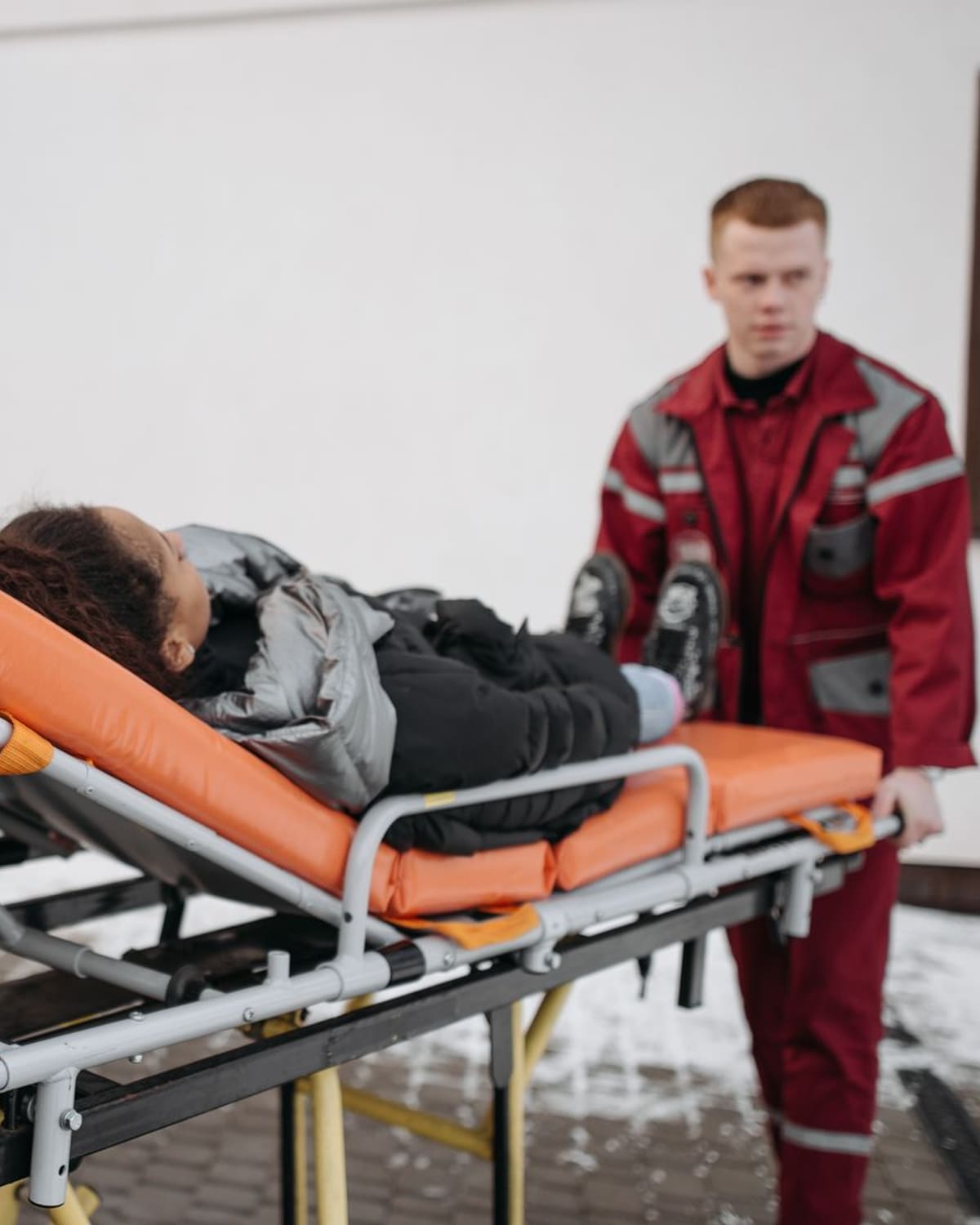
When everything goes wrong, the paramedic is who runs toward it. In the back of a moving ambulance, minutes matter and there is no one to ask; they read the body, make the call, and keep a stranger alive to the hospital doors. It is medicine at the edge, under pressure, with their hands and their nerve. You do not choose them or thank them properly. You just need them to be a calm, trained human, and they are.
Kept nearby