An entry · Work · Life
Organist
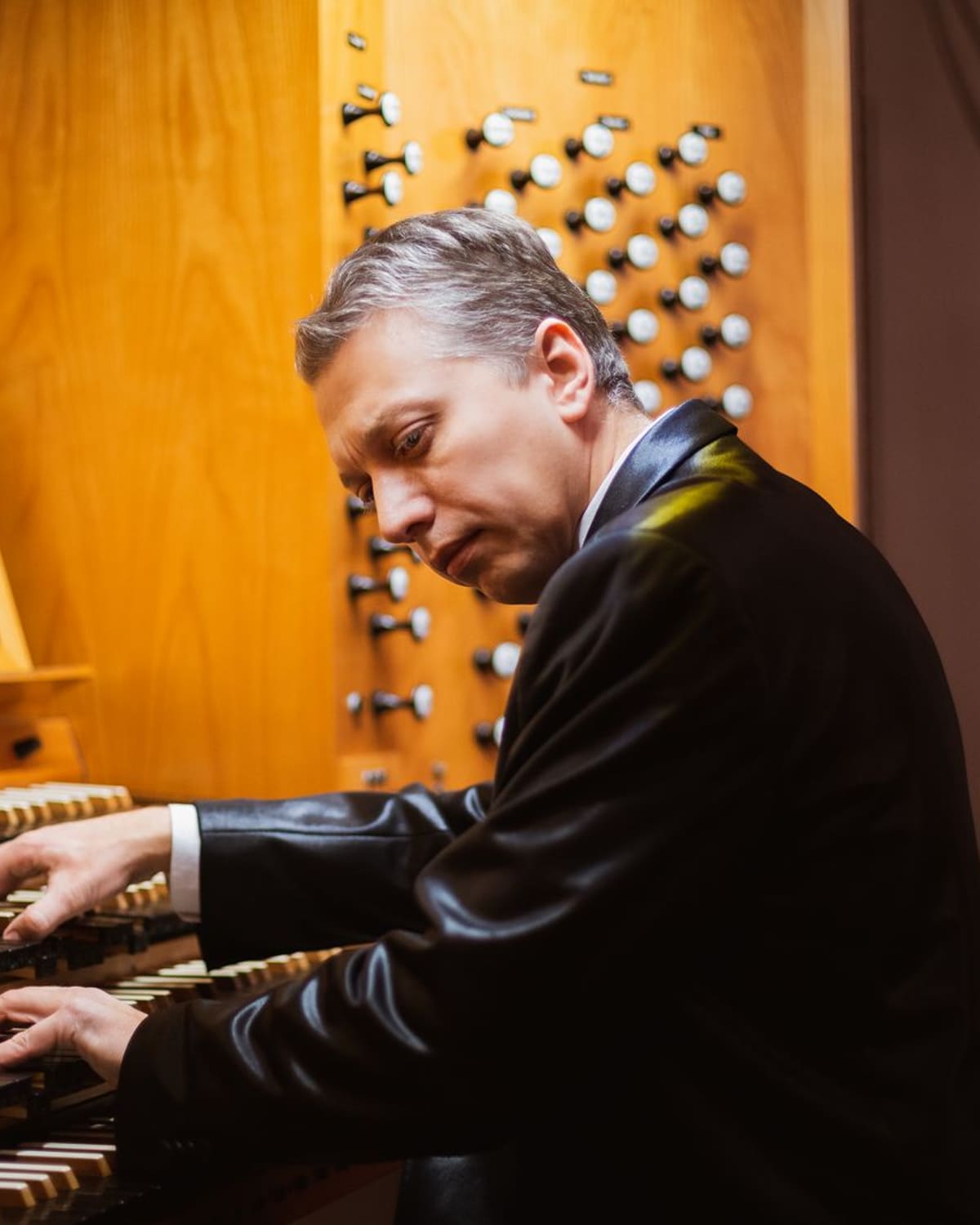
Hands, feet, and a wall of pipes, filling a whole building with one person's music.
From curious to committed
Your first steps.
A first visit can be enough. It can also be the beginning.
Meet the craft
Churches and concert halls hold recitals, often free, where you can hear the full range of the instrument up close.
Explore experiences →Give it another afternoon
Notice what you want to come back to. Ask the teacher what regular practice would look like, and what support you would need.
Keep a note for next time →See the working day
Music colleges and cathedral schools train organists in repertoire, improvisation, and pedal technique over years.
Explore ways into the work →These are starting points. A workshop is not a professional qualification. Entry requirements and recognised training depend on the work and the country.
Before you walk in
A few things worth asking the host before you book.
- Is this session suitable for someone who has never tried it?
- What should I bring, wear or prepare?
- What is included, and are there any extra costs?
- Can you accommodate my access needs?
- What could I try next if I enjoy it?
Teach this craft? Share what beginners ask you →
Showing San Diego, and 1 elsewhere is hidden
Show every city →Work it
Do the work.
Jobs, apprenticeships, and training that put a person in the room.
Places to begin
- Guild
American Guild of Organists
Membership in the American Guild of Organists
United States
Join the American Guild of Organists to connect with thousands of organists through local chapters, professional certification, and lifelong learning.
- Membership
Royal College of Organists
Membership in the Royal College of Organists
United Kingdom
Join the historic British college for organists, with exams, courses, and a worldwide community supporting players at every stage.
Ways in
- Conservatory
Conservatory organ study
Music colleges and cathedral schools train organists in repertoire, improvisation, and pedal technique over years.
- Route in
Church organist post
Many organists learn on the job accompanying worship, a traditional route that comes with a real instrument to practice on.
- Apprenticeship
Study with a cathedral organist
Aspiring players apprentice with a working organist or cathedral music department, learning the instrument hands-on.
Ways in, gathered by hand.
Add yours to the atlasLive it
Live the hour.
Experiences, classes, and places where the presence is the whole point.
Ways in
- Visit
Organ recital
Churches and concert halls hold recitals, often free, where you can hear the full range of the instrument up close.
- Class
Introductory organ lesson
Some churches and music schools offer taster lessons that let you try hands and feet together on a real organ.
Ways in, gathered by hand.
Add yours to the atlasWhy the human is the point
The pipe organ is one of the most complex instruments humans ever built, and the organist plays all of it at once, hands across several keyboards and feet dancing over a pedalboard. Each stop opens a different rank of pipes, so the player is really conducting a whole orchestra of wind and wood from a single bench. In a stone church the sound does not come from a speaker but from the air of the room itself, moving around you. It takes deep study to coordinate that many voices and read music on several staves together. Sit beneath a great organ as it opens up and you feel the floor tremble. Behind all that grandeur is one person, breathing, counting, and pouring themselves into the pipes.
Kept nearby