An entry · Work · Life
Harpist
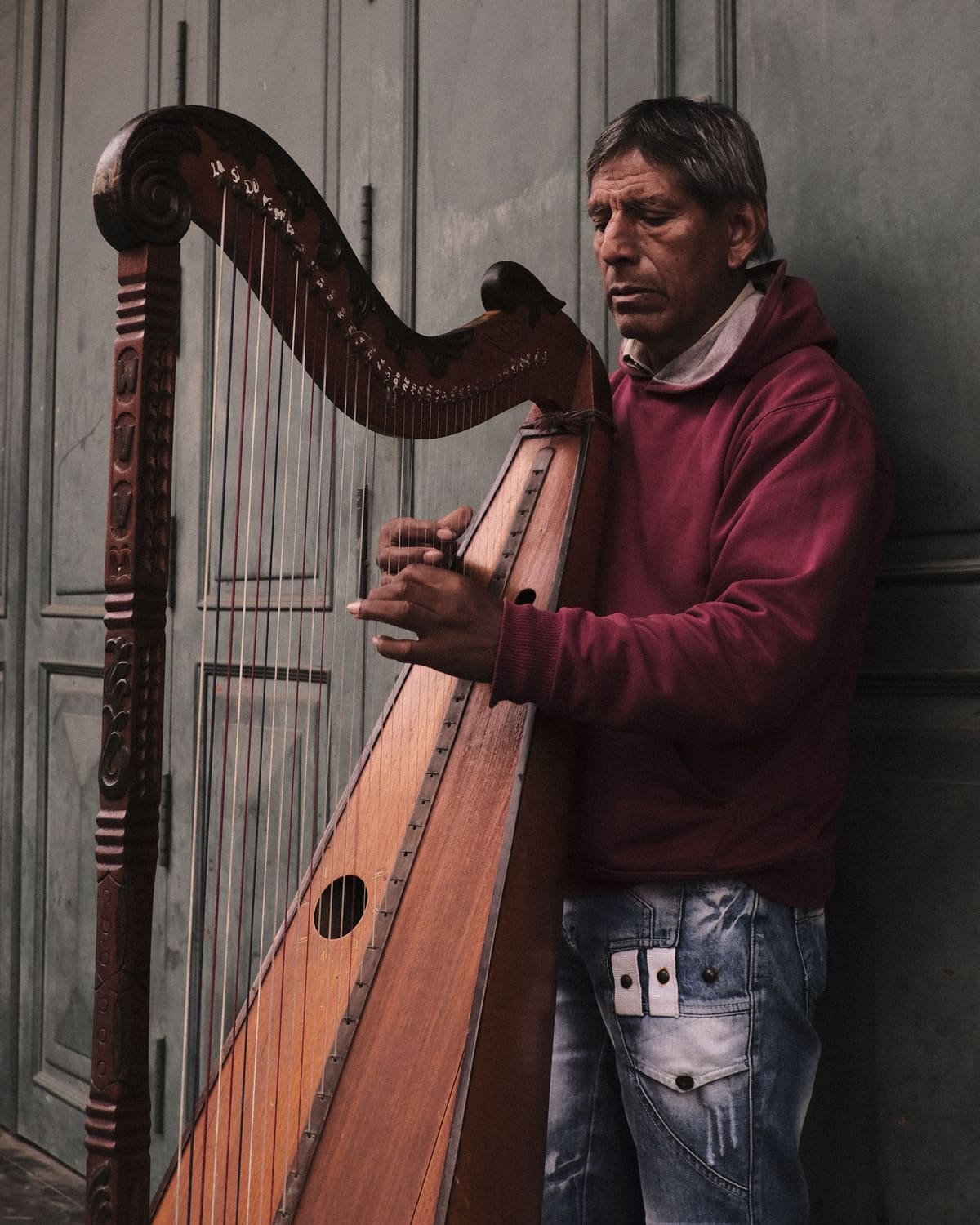
Forty-seven strings, two hands, and a sound like light falling through a window.
From curious to committed
Your first steps.
A first visit can be enough. It can also be the beginning.
Meet the craft
Some teachers and schools rent small harps so beginners can start plucking real strings without a big first outlay.
Explore experiences →Give it another afternoon
Notice what you want to come back to. Ask the teacher what regular practice would look like, and what support you would need.
Keep a note for next time →See the working day
Harpists train through long private study and conservatory programs, since teachers and instruments are specialised and few.
Explore ways into the work →These are starting points. A workshop is not a professional qualification. Entry requirements and recognised training depend on the work and the country.
Before you walk in
A few things worth asking the host before you book.
- Is this session suitable for someone who has never tried it?
- What should I bring, wear or prepare?
- What is included, and are there any extra costs?
- Can you accommodate my access needs?
- What could I try next if I enjoy it?
Teach this craft? Share what beginners ask you →
Work it
Do the work.
Jobs, apprenticeships, and training that put a person in the room.
Places to begin
- Association
American Harp Society
American Harp Society Membership
United States
Members young and old join a welcoming national society with a journal, local chapters, and a portal that connects harpists across the country.
- Association
United Kingdom Harp Association
UK Harp Association
United Kingdom
Britain's national harp association, running since 1964, supports harpists with bursaries, an emerging artists scheme, and a nationwide community.
Ways in
- Conservatory
Conservatory and lessons
Harpists train through long private study and conservatory programs, since teachers and instruments are specialised and few.
- Route in
Starting on a smaller harp
Many begin on a lever or folk harp before moving to the full pedal harp as the hands and technique grow.
- Company
Orchestras, events, and teaching
Professionals hold or freelance orchestral seats, play weddings and events, record sessions, and teach.
Ways in, gathered by hand.
Add yours to the atlasLive it
Live the hour.
Experiences, classes, and places where the presence is the whole point.
Places to begin
- Workshop
Somerset Folk Harp Festival
Somerset Folk Harp Festival
Princeton, New Jersey · Every July
Each July harpists gather in Princeton for a friendly four day festival with a true beginner track and over a hundred workshops and concerts.
- Workshop
The Clarsach Society
Edinburgh International Harp Festival
Edinburgh, Scotland · Annual, April
The premier harp gathering in the UK offers dozens of courses for every level, with Scotland's clarsach at its warm beating heart.
Ways in
- Class
Try a lever harp
Some teachers and schools rent small harps so beginners can start plucking real strings without a big first outlay.
- Gathering
Hear one in person
Catch a harpist at a recital, a wedding, or a hotel lobby and notice how the room quiets around the sound.
Ways in, gathered by hand.
Add yours to the atlasWhy the human is the point
The harp is played by hand, quite literally, each string plucked by a finger with no key or reed between the player and the note. A harpist learns to place both hands across dozens of strings and work seven pedals with the feet, all at once, until cascades of sound seem to pour out effortlessly. Behind that ease is a tall, resonant, beautifully wooden instrument and a person who has spent years teaching their fingers to trust the geometry. Whether in an orchestra, a wedding corner, or a quiet street, the harpist tends a sound people instinctively lean toward. It is warm and human and made string by string, right there in the room. Pluck, ring, and a phrase that seems to hang in the air.
Kept nearby