An entry · Work · Life
Folk Singer
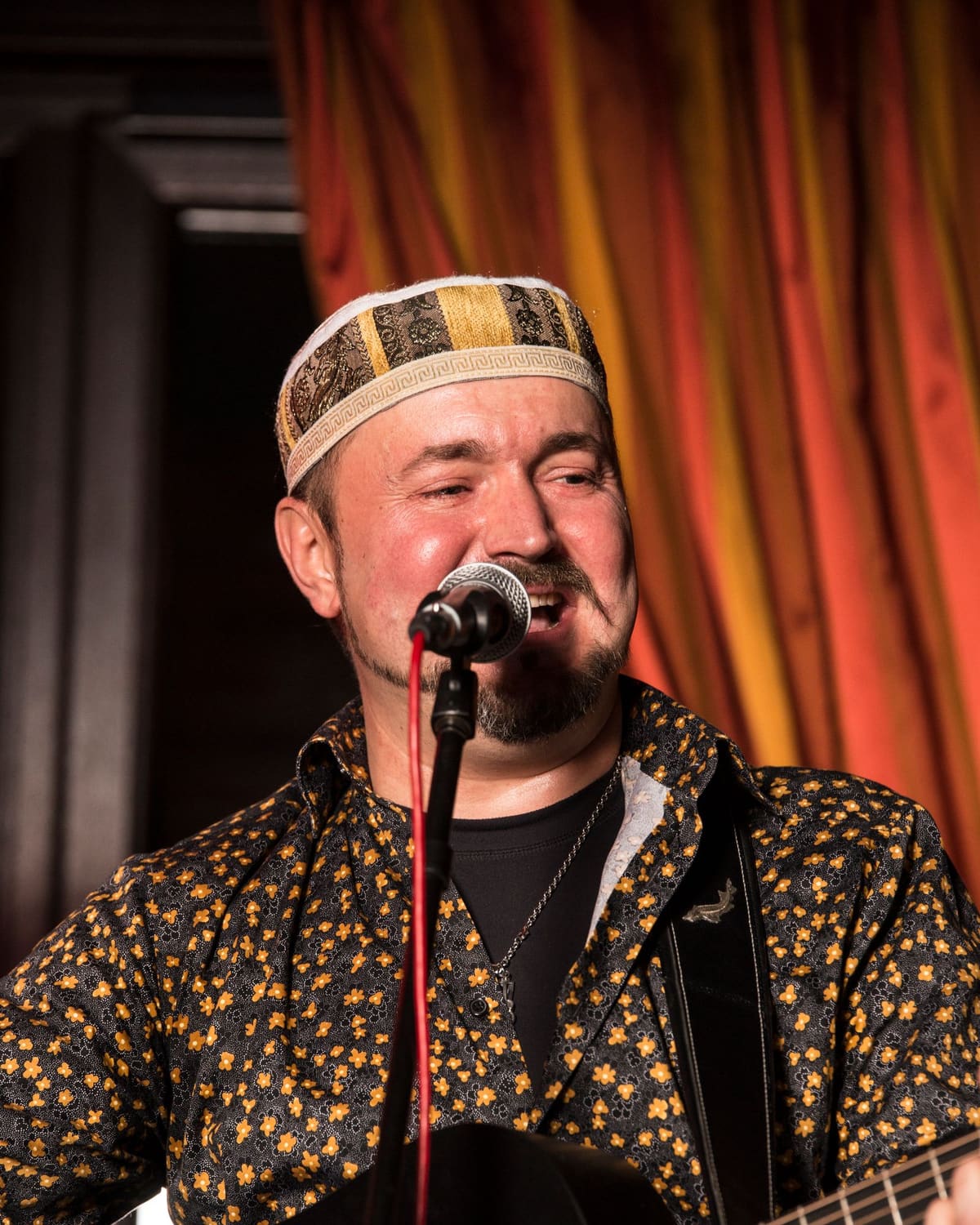
A voice, a few chords, and a room that leans in closer with every verse.
From curious to committed
Your first steps.
A first visit can be enough. It can also be the beginning.
Meet the craft
Folk clubs and pub sessions hold circles where everyone takes a turn leading a song and the whole room joins the chorus.
Explore experiences →Give it another afternoon
Notice what you want to come back to. Ask the teacher what regular practice would look like, and what support you would need.
Keep a note for next time →See the working day
Community music schools and university folk programs teach traditional song, guitar accompaniment, and how to hold and lead a room.
Explore ways into the work →These are starting points. A workshop is not a professional qualification. Entry requirements and recognised training depend on the work and the country.
Before you walk in
A few things worth asking the host before you book.
- Is this session suitable for someone who has never tried it?
- What should I bring, wear or prepare?
- What is included, and are there any extra costs?
- Can you accommodate my access needs?
- What could I try next if I enjoy it?
Teach this craft? Share what beginners ask you →
Showing Minneapolis, and 1 elsewhere is hidden
Show every city →Work it
Do the work.
Jobs, apprenticeships, and training that put a person in the room.
Places to begin
- Association
Folk Alliance International
Folk Alliance International
Worldwide
Join the global professional network for folk artists to find community, conferences and genuine support for making a living from traditional song.
- Association
English Folk Dance and Song Society
English Folk Dance and Song Society (EFDSS)
United Kingdom
The national membership organisation for English folk arts, supporting folk singers with education, performance opportunities and the Vaughan Williams Memorial Library archive.
Ways in
- Course
Folk and roots music course
Community music schools and university folk programs teach traditional song, guitar accompaniment, and how to hold and lead a room.
- Route in
Open mic to residency
Most working folk singers start on open-mic nights, then earn a regular slot at a bar, cafe, or festival stage as their following grows.
- Apprenticeship
Learn from a tradition-bearer
Seek out an older singer in a living tradition and study their repertoire and phrasing directly, the way the music has always passed down.
Ways in, gathered by hand.
Add yours to the atlasLive it
Live the hour.
Experiences, classes, and places where the presence is the whole point.
Places to begin
- Community
Sacred Harp community (fasola.org)
Sacred Harp shape note singing
United States · Weekly or monthly local singings
Find a local singing, sit inside the hollow square and raise old American hymns at full voice with strangers who welcome every newcomer no matter your ability.
- Community
Minnesota Sacred Harp Singers
Twin Cities Sacred Harp Singing
Minneapolis and Saint Paul, Minnesota
Sit in the hollow square and raise a shape-note hymn with welcoming singers, no experience or audition needed and songbooks free to borrow.
Ways in
- Gathering
Singaround night
Folk clubs and pub sessions hold circles where everyone takes a turn leading a song and the whole room joins the chorus.
- Class
Beginner guitar-and-voice class
A short local class gets you accompanying yourself on three or four chords and singing your first songs out loud.
Ways in, gathered by hand.
Add yours to the atlasWhy the human is the point
Long before a song could be pressed to a disc or streamed to a phone, it lived in one person's throat and got handed from village to village, changed a little each time. The folk singer carries that chain forward, sitting close enough that you hear the breath before the note and the pick scrape before the chord. Every set is a little different because the song bends to the night, the crowd, the story someone told at the bar an hour ago. There is no filter between you and them, just a human being deciding, right now, how loud to sing the sad part. Stay for the last number and you will find yourself humming a tune that has outlived everyone who ever sang it. That is the whole point, and the folk singer keeps it beating.
Kept nearby