An entry · Work · Life
Flamenco Dancer
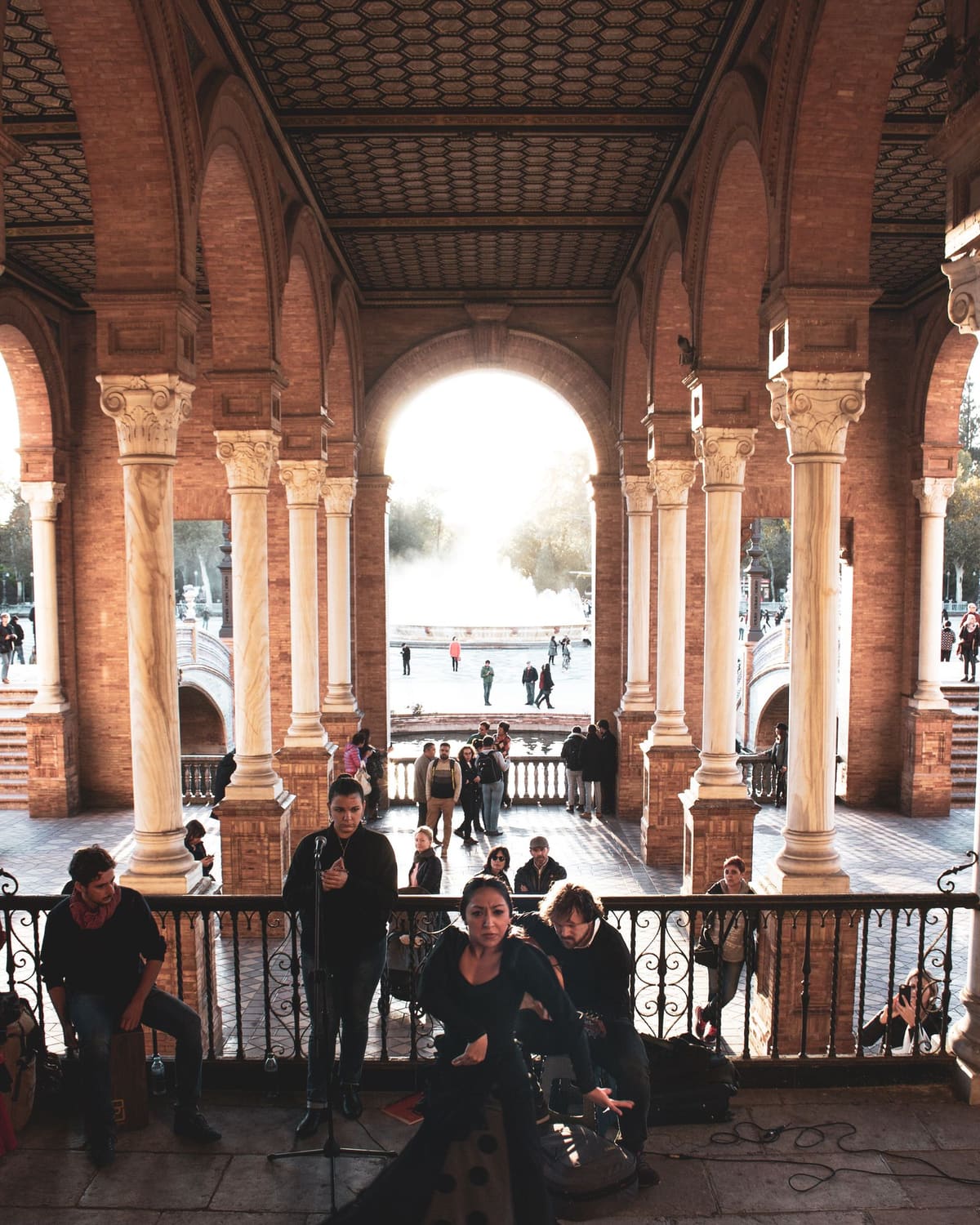
Heels like a heartbeat, hands like smoke, and a whole life poured into three minutes.
From curious to committed
Your first steps.
A first visit can be enough. It can also be the beginning.
Meet the craft
Flamenco schools welcome newcomers, and a first lesson is often just learning to stamp and clap the compas.
Explore experiences →Give it another afternoon
Notice what you want to come back to. Ask the teacher what regular practice would look like, and what support you would need.
Keep a note for next time →See the working day
Dancers train for years in flamenco schools and studios, learning footwork, arms, and the palos that shape each style.
Explore ways into the work →These are starting points. A workshop is not a professional qualification. Entry requirements and recognised training depend on the work and the country.
Before you walk in
A few things worth asking the host before you book.
- Is this session suitable for someone who has never tried it?
- What should I bring, wear or prepare?
- What is included, and are there any extra costs?
- Can you accommodate my access needs?
- What could I try next if I enjoy it?
Teach this craft? Share what beginners ask you →
Showing Los Angeles, and 5 elsewhere are hidden
Show every city →Work it
Do the work.
Jobs, apprenticeships, and training that put a person in the room.
- Conservatory
Study in the tradition
Dancers train for years in flamenco schools and studios, learning footwork, arms, and the palos that shape each style.
- Route in
Learn where it lives
Many deepen their art in Andalusia, taking intensive classes and dancing in tablaos and penas alongside singers and guitarists.
- Company
Join a company or tablao
Professionals perform with touring companies or in resident tablao shows, and teach classes between engagements.
Ways in, gathered by hand. Bookable listings are on the way.
Add yours to the atlasLive it
Live the hour.
Experiences, classes, and places where the presence is the whole point.
Ways in
- Class
Take a beginner class
Flamenco schools welcome newcomers, and a first lesson is often just learning to stamp and clap the compas.
- Gathering
See a tablao up close
Find an intimate show where the singer and guitarist share the floor with the dancer, and sit near the front.
Ways in, gathered by hand.
Add yours to the atlasWhy the human is the point
Flamenco is less choreography than conversation: the dancer, the guitar, and the singer answering each other in real time, nobody quite sure where it will land. The feet hammer out rhythms fast enough to blur while the arms unfold slow as smoke, and the face holds everything the body is feeling. A flamenco dancer trains for years to earn that freedom, because only a very schooled body can improvise and still stay in the pocket. Duende, they call the best moments, when the dancer, the players, and the audience tip over the edge together in one small room. It takes people in the same space, feeding each other, for that to happen at all. Stamp, breath, silence, and then the room exhaling as one.
Kept nearby