An entry · Work · Life
Cooper
Oak, fire and rope, drawn tight by hand into a cask that must hold whisky for twenty years.
From curious to committed
Your first steps.
A first visit can be enough. It can also be the beginning.
Meet the craft
Ask a local practitioner how a beginner can watch, visit or try the work under guidance.
Explore experiences →Give it another afternoon
Notice what you want to come back to. Ask the teacher what regular practice would look like, and what support you would need.
Keep a note for next time →See the working day
Ask a practitioner about the training, routine tasks and costs behind the work before making a commitment.
Explore ways into the work →These are starting points. A workshop is not a professional qualification. Entry requirements and recognised training depend on the work and the country.
Before you walk in
A few things worth asking the host before you book.
- Is this session suitable for someone who has never tried it?
- What should I bring, wear or prepare?
- What is included, and are there any extra costs?
- Can you accommodate my access needs?
- What could I try next if I enjoy it?
Teach this craft? Share what beginners ask you →
Work it
Do the work.
Jobs, apprenticeships, and training that put a person in the room.
Add yours to the atlasLive it
Live the hour.
Experiences, classes, and places where the presence is the whole point.
Add yours to the atlasWhy the human is the point
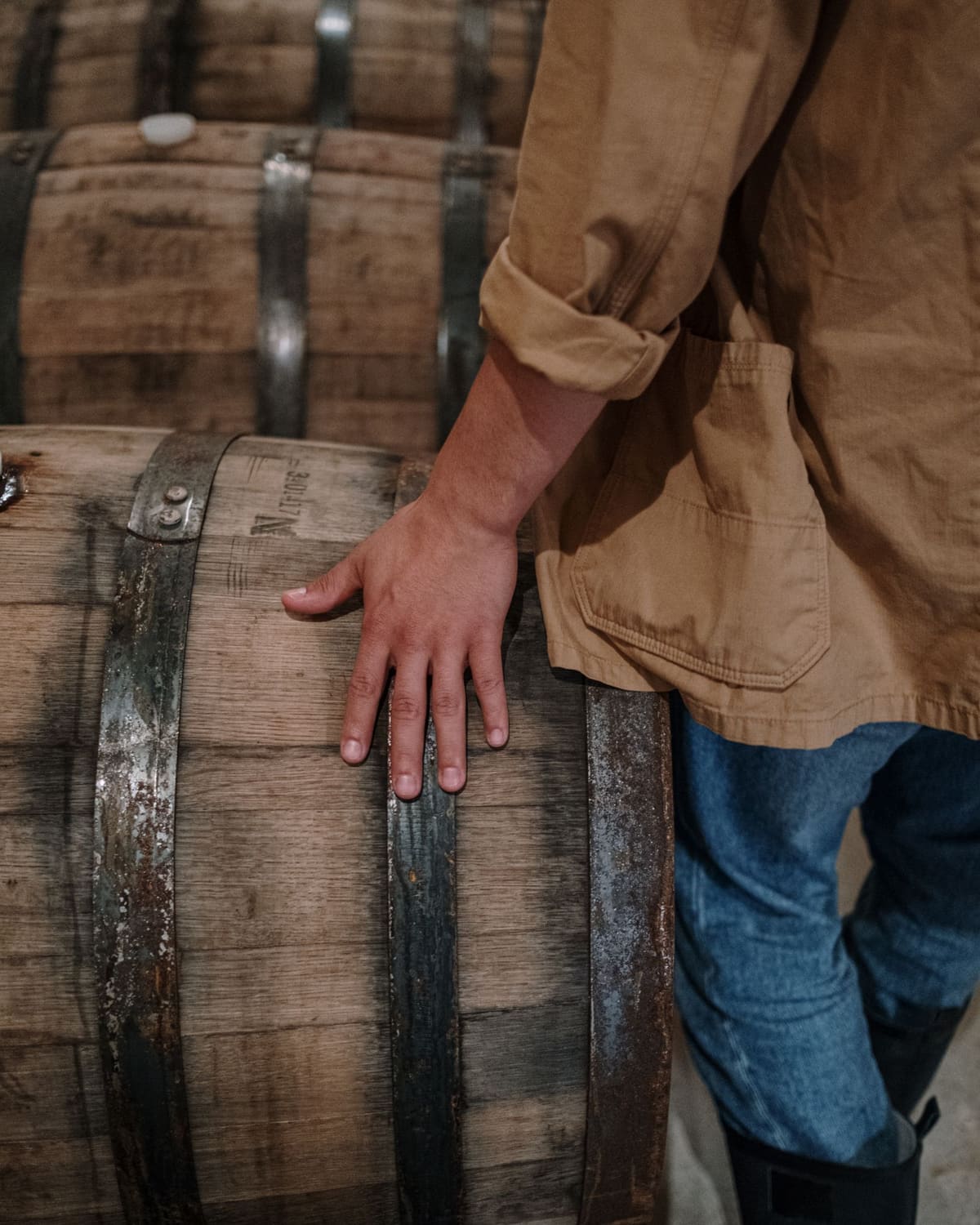
A cooper builds a barrel without glue, without screws and without a drawing. Oak staves are cut, bent over fire, drawn together with rope and hoops, and the cask holds liquid for decades because a person judged every curve by eye and hand. Scotland still runs a four year apprenticeship for this. Three years on the craft itself before a machine is allowed anywhere near it, and it ends in a trade test: build a cask, on the clock, in front of coopers who will know. Whisky and wine both depend on it. A distillery can buy the finest spirit in the country and still lose it to a bad cask. What the cooper offers is not woodwork, it is the container of time, repaired and refilled and sent back out for another twenty years. Watch one work and you understand why nobody has automated the raising.
Kept nearby